PiCK
Summary
- Lawmakers from both parties said South Korea urgently needs to move beyond a tax delay and establish a Digital Asset Framework Act and a Virtual Asset Framework Act to support growth in the virtual asset industry.
- People Power Party floor leader Chung Jeom-sik and Chairman Kim Sung-won said the country needs institutional reforms including a delay in virtual-asset taxation, realistic and rational tax standards, permission for multiple real-name accounts, and a regulatory sandbox.
- Lawmakers Baek Hye-ryeon and Park Sung-joon said they would support the global competitiveness and leadership of South Korea’s digital asset industry on the basis of the Virtual Asset User Protection Act, user protection, trust, tokenization of real-world assets, and stablecoins.
Forecast Trend Report by Period
Bipartisan concern over delays in digital-asset legislation
PPP says government bill should be revised to reflect market realities
Democrats say rules and innovation must be balanced on a foundation of trust
Lawmakers from both parties in South Korea called for faster regulatory reforms to support growth in the digital-asset, or cryptocurrency, industry. They said the country needs to move beyond delaying taxation and enact a framework law that supports both user protection and corporate innovation.
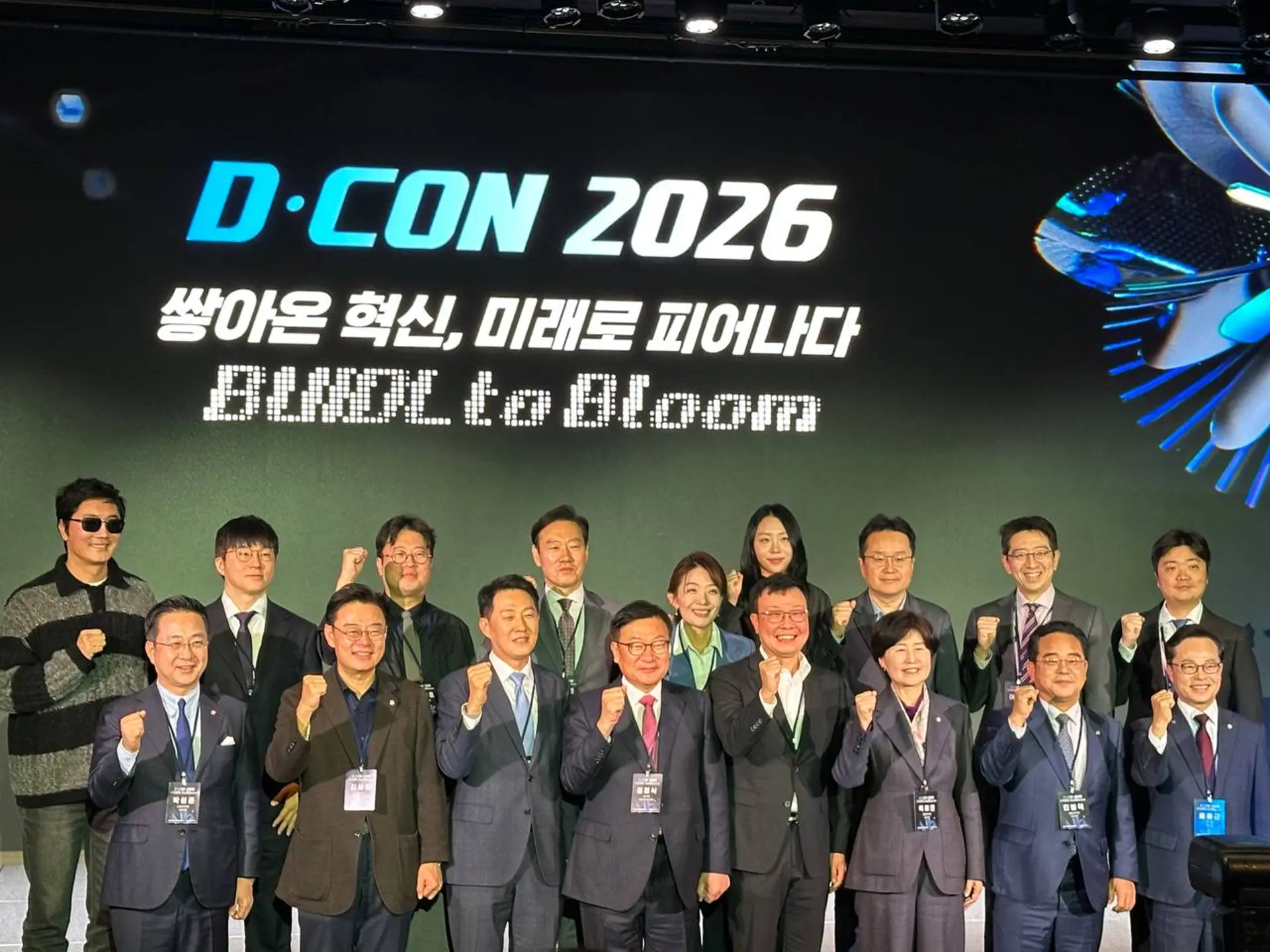
People Power Party floor leader Chung Jeom-sik, Democratic Party lawmakers Baek Hye-ryeon and Park Sung-joon, and Kim Sung-won, chair of the National Assembly’s Trade, Industry, Energy, SMEs and Startups Committee, made the remarks at D-CON 2026 held at Fairmont Ambassador Seoul in Yeouido on Nov. 10.
Chung said the spread of digital assets is fueling growth in a range of financial services and business models. Countries around the world are already accelerating legal and regulatory efforts to secure leadership, he added.
He also said the government is scheduled to unveil a draft Digital Asset Framework Act this month.
Chung stressed that tax standards should reflect the market’s characteristics. Taxation that fails to account for the price volatility of virtual assets could burden both investors and companies, he said.
He added that he met with exchange executives in September and emphasized the need for realistic and rational tax standards.
Investors should be able to trade with confidence, while companies should be able to boldly pursue new services, Chung said. Once the government bill is released, he added, he would first seek to revise provisions that do not match market realities.
Kim shifted the discussion to the legislative agenda after the tax delay. He said one of the things both parties got right was postponing taxation on virtual assets.
The next step, he said, is to move beyond the delay and enact a framework law.
South Korea has technological capabilities and innovative companies, but lacks an institutional foundation, Kim said. Politicians and the government need to move quickly, he added, noting that he has made the same point every year.
He said he has already proposed bills covering a framework law, permission for multiple real-name accounts and a regulatory sandbox. Those measures require active bipartisan discussion, he added.
Kim said politics should not stop at hosting events. The views raised at the conference should be reflected in policy and legislation and turned into reality.
He added that the remarks made at the event would be compiled and delivered to the government, and that the National Assembly would continue to provide support.
Baek said user protection and market trust should serve as the foundation for industry growth. Virtual assets have become part of daily life, and as the market expands, trust must underpin it, she said.
Baek said the Virtual Asset User Protection Act, passed during her tenure as chair of the National Assembly’s Political Affairs Committee, was insufficient on its own. Still, she said, it laid the groundwork for user protection and trust.
She also acknowledged that legislation has lagged behind changes in finance, including the tokenization of real-world assets and stablecoins. Blockchain is rapidly linking with real-world finance, while the boundary between traditional and digital finance is fading, she said.
Even so, laws and institutions remain slow, she added.
Innovation needs solid ground to take root, and that ground is trust, Baek said. South Korea’s digital-asset industry can strengthen its global competitiveness only if safe regulation and dynamic innovation are balanced on that foundation, she said.
She added that the National Assembly would support the technology and ambition built up across the industry so they can fully flourish.
Park, the final speaker, said South Korea should lead the global digital-asset market based on its technology and talent. The country emerged as an export powerhouse through shifts in thinking, the creation of new markets and the technological advances that followed, he said.
In digital assets, too, South Korea should now aim to lead rather than follow, Park said.
Technology is the foundation, he said, and the industry also needs imagination and talent. South Korea already has that foundation and should lead global competition and the worldwide digital-asset market as well.
Doohyun Hwang