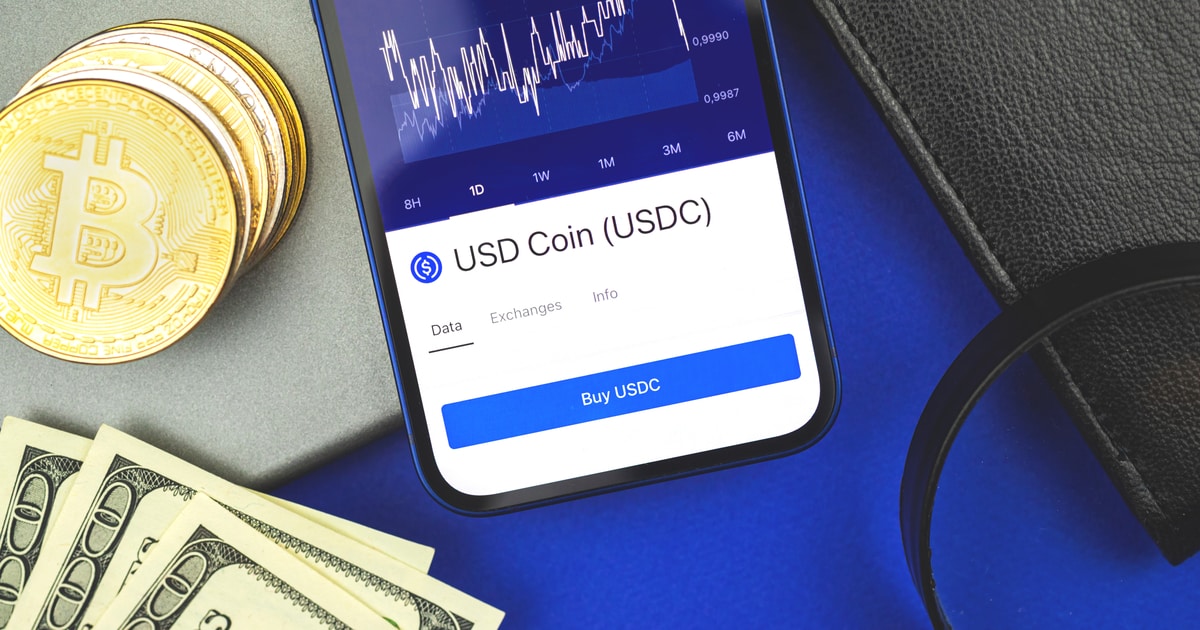
Stablecoin practical adoption is accelerating, revealing the next focal points through Visa’s expansion in Asia and evaluations of USDT. In the cryptocurrency market, attention is simultaneously shifting from price itself to “integration with traditional finance” and “visibility of trust.” On the 18th, payment giant Visa announced plans to pilot a pre-funding feature using stablecoins in its international money transfer service, Visa Direct, across the Asia-Pacific region. Under this model, customers would fund transfers using stablecoins, while recipients would receive funds in traditional fiat currency. Singapore-based dtcpay and others are involved, with external infrastructure handling stablecoin processing, currency conversion, and regulatory compliance. The significance of this move lies in stablecoins beginning to transition from mere settlement tools within crypto exchanges into vital components of corporate treasury management and cross-border payment infrastructure. Traditional transfer systems, constrained by banking hours and country-specific settlement networks, impose heavy burdens by requiring pre-funding of local currencies. Stablecoins could significantly reduce funds’ idle time. However, Visa itself is not directly offering regulated crypto services; instead, it is designing the system through licensed third-party partners. The timeline for full rollout and specific stablecoin tokens have not been disclosed; at this stage, it should be viewed as cautious, deliberate expansion toward practical implementation. Meanwhile, scrutiny over stablecoin reliability has intensified. S&P Global Ratings maintained its lowest possible rating of “5” for Tether’s USDT on its five-point scale assessing the token’s ability to maintain parity with the U.S. dollar. The rating reflects concerns over the high proportion of high-risk assets in USDT’s reserve holdings and limited disclosure regarding custodians, counterparties, and bank accounts. S&P noted that, as of September 30, while U.S. short-term Treasury bonds constitute a significant portion of USDT’s backing assets, considerable holdings of higher-risk assets—including gold, Bitcoin, listed equities, and secured loans—remain. Tether has countered that S&P’s evaluation methodology itself is flawed. As one of the most widely used dollar-pegged tokens in the crypto market, USDT plays a critical role in inter-exchange fund transfers and as a dollar alternative in emerging economies. Thus, market stability hinges not only on whether price pegs are maintained but also on reserve transparency and liquidity under stress. As major payment firms like Visa advance stablecoin adoption, scrutiny and disclosure demands on issuers are likely to intensify. On the Bitcoin front, increased physical ETF holdings by major U.S. financial institutions have also been confirmed. According to filings with the U.S. Securities and Exchange Commission for Q2–Q3, Wells Fargo held approximately 49.58 million shares—valued at roughly $2.35 billion—of BlackRock’s physical Bitcoin ETF (IBIT) as of September 30, marking a significant increase from the prior quarter. Other institutions, including Goldman Sachs, have also been reported to be expanding their Bitcoin ETF exposure. However, these holdings may include client accounts or hedging positions; thus, it cannot be simply interpreted as banks taking a uniformly bullish stance. Currently, outflows from U.S. physical Bitcoin ETFs and sluggish Bitcoin prices persist. In other words, the market is simultaneously experiencing “long-term institutionalization” and “short-term risk aversion.” The adoption of stablecoins by major payment networks, rigorous reviews of reserve assets by rating agencies, and expanding ETF holdings by financial institutions all signal cryptocurrency’s gradual transition from peripheral markets into core financial infrastructure. At the same time, areas lacking sufficient transparency, liquidity, or regulatory compliance are facing stricter scrutiny. The focus is now shifting away from price appreciation itself toward identifying which assets and entities can withstand the standards of traditional finance.

Regulation
3 min read0 views
Stablecoin practical adoption is accelerating, revealing the
Stablecoin practical adoption is accelerating, revealing the next focal points through Visa’s expansion in Asia and evaluations of USDT. In the cryptocurrency market, attention is simultaneously shifting from price itself to “integration with traditional finance” and “visibility of trust.” On the 18th, payment giant Visa announced plans to pilot a pre-funding feature using stablecoins in its international money transfer service,…
Reading Level🟢Beginner
Listen to this article
Original Source
KuCoinLike this article
Share this article
Share: