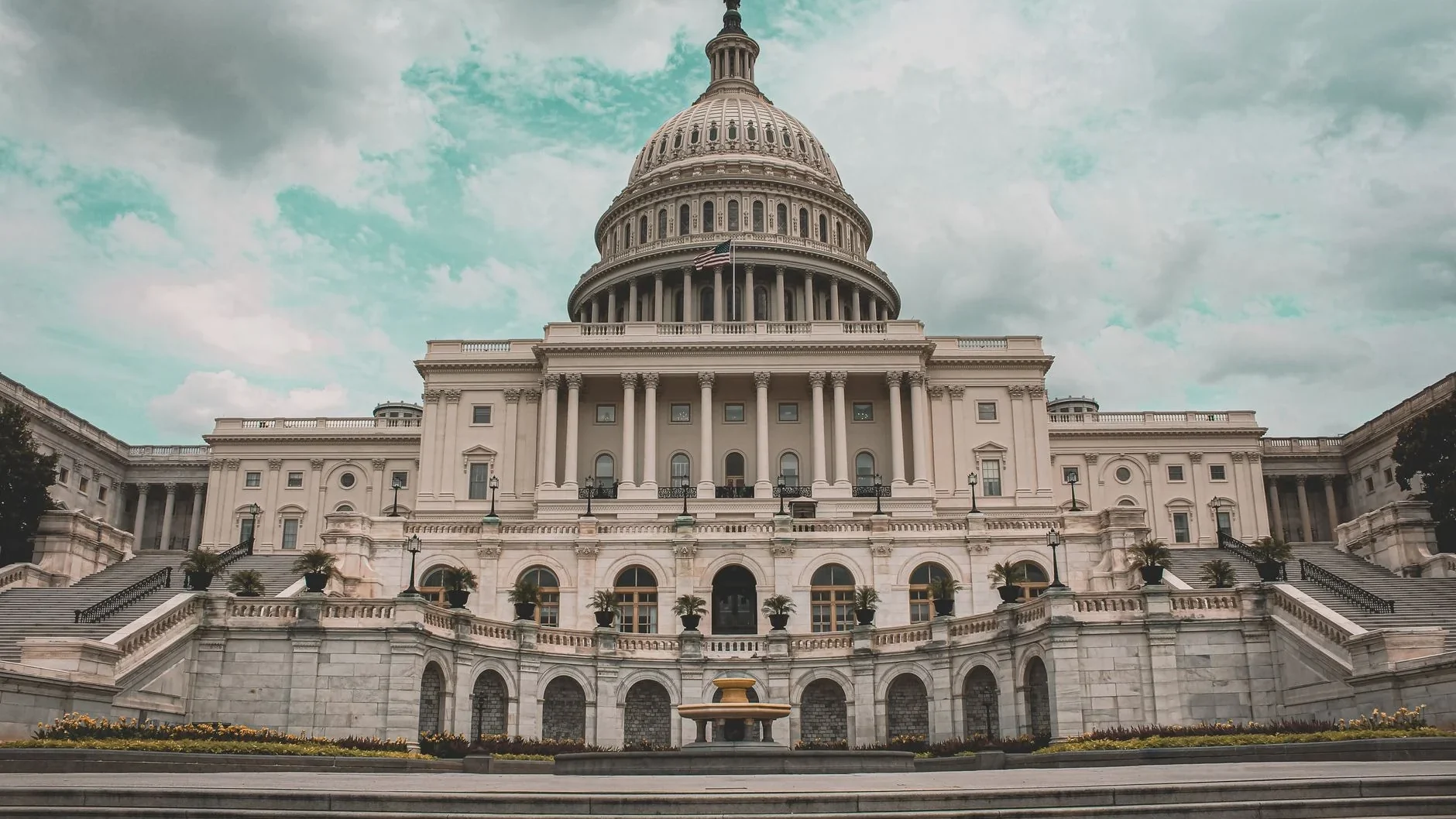
The House Financial Services Committee formally reported H.R. 8957, the American Reserve Modernization Act of 2026, to the full House on November 24, 2026, according to CoinDesk. The bill would write a Strategic Bitcoin Reserve into federal law and require the Treasury Secretary to hold qualifying bitcoin for not less than 20 years.
Reporting a bill out of committee is not the same as passing it. The House placed H.R. 8957 on the Union Calendar as Calendar No. 789 the same day, which makes it eligible for a floor vote. No vote has been scheduled. The bill has not passed the House or the Senate, and it is not law.
For software and engineering readers, the interesting part sits below the politics. A 20-year lock, a ban on encumbering the coins, and a 60-day inventory deadline each turn into concrete engineering work: key management, audit trails, and ledger reconciliation. The timing also lands on a shaky market. We covered Bitcoin’s slide below $60,000 and Galaxy’s withdrawn bottom call earlier, and this bill arrives into that tape.
Don't miss new tech stories on Google
Add Shattered once in the Google app and our stories show up in your news suggestions.
What H.R. 8957 Actually Says
Rep. Nicholas Begich [R-AK-At Large] sponsors the bill. Its subject is narrow and specific. It creates a Strategic Bitcoin Reserve in statute rather than leaving the idea to executive discretion. Per CoinDesk, the text sets a minimum holding period, bans disposal in several named ways, and forces agencies to count what they hold.
Statutory language matters because it outlasts administrations. A reserve that Congress writes into law needs another act of Congress to unwind. That single design choice explains why the 20-year floor and the disposal ban draw most of the attention. The table below collects every confirmed detail we can attribute to the reporting and the bill’s listing.
Anything beyond those rows needs a caveat. The fact sheet we work from does not confirm how the bill defines qualifying bitcoin, how many coins the government holds, or how the Treasury would fund any purchases. We leave those points open rather than guess.
The 20-Year Lock and the Ban on Swaps, Auctions and Encumbrance
The holding period is the headline number. The bill requires the Treasury Secretary to hold qualifying bitcoin for not less than 20 years. The phrase not less than sets a floor, not a target. Congress could keep the coins longer, but the Treasury could not sell earlier without breaking the statute.
The prohibition list is blunt. CoinDesk reported that during the holding period, reserve bitcoin may not be “sold, swapped, auctioned, encumbered, or otherwise disposed of for any purpose.” That closes the obvious exits. It also closes quieter ones, such as pledging the coins as collateral or lending them out for yield.
What encumbered rules out for engineers
Encumbrance is the word that creates the most technical work. In plain terms, an encumbered asset carries a claim by someone else, such as a lien, a pledge, or a loan secured against it. A system that holds reserve coins would need to show that no such claim exists at any point in 20 years. That is an audit problem as much as a security problem.
Our reading is that the cleanest design keeps the reserve in cold storage with no smart-contract hooks, no rehypothecation path, and no signing keys reachable by a single operator. That is analysis, not a requirement in the bill. The bill sets the outcome and leaves the mechanism open, at least in the reporting we reviewed.
The 60-Day Accounting Clock for Federal Agencies
CoinDesk reported that federal agencies would have 60 days after enactment to give the Treasury a full accounting of the bitcoin and other digital assets they hold or have seized. The scope is wider than bitcoin. The language covers other digital assets, so agencies would count everything crypto-related in their custody, not just one coin.
That deadline is short for a task spread across many agencies. Seized assets often sit in wallets, exchange accounts, and evidence systems that different teams run with different tooling. Merging those records into one Treasury view means normalizing addresses, balances, timestamps, and chain-of-custody notes. Every one of those fields can disagree between systems.
The deadline math itself is simple. The sketch below shows how a compliance team might compute the due date from an enactment date. The function is illustrative and ours, not part of the bill.
The second function is a rough reading of the 20-year floor and would need legal review before anyone relied on it. When the clock starts for the holding period is a detail the reporting we have does not settle, so treat that function as a teaching example only.
Where the Bill Stands: From Committee to Calendar No. 789
The path so far is short and fully documented. The committee advanced the bill at a September 16 markup, then formally reported it on November 24. The same day, the House placed it on the Union Calendar. From markup to formal report, that is 69 days.
A spot on the Union Calendar is a queue position, not a promise. House leadership decides if and when a bill reaches the floor. Plenty of calendared bills wait a long time. Anyone reading a headline about the bill advancing to the House should keep that distinction in mind.
What the 28-21 Markup Vote Signals
The committee advanced H.R. 8957 by 28 to 21, per CoinDesk. That is 49 votes cast and a seven-vote margin. It is a clear majority but not a unanimous or bipartisan landslide. The fact sheet does not break the vote down by party, so we will not characterize who voted which way.
A 28-21 result tells us the bill can clear a committee with a working majority. It does not tell us whether it can clear the floor or the Senate. Floor math differs from committee math because the whole membership votes, and the Senate adds its own procedural hurdles. The reporting does not address Senate prospects, and neither will we.
The gap between the September markup and the November report is worth a note too. Sixty-nine days passed between the two steps. We cannot say why from the available reporting, and we will not guess at reasons. What we can say is that the bill moved forward on a measured timeline rather than a rush.
What Remains Unconfirmed
Several claims could circulate on social media and in headlines, so it helps to name what the record does not support. The list below reflects the current verified status as of November 26, 2026.
- The bill has not passed the full House.
- The Senate has not passed it.
- The president has not signed it, and it has not taken effect.
- No House floor vote has been scheduled.
- The reporting does not confirm how many bitcoin the government holds today.
- The reporting does not confirm any purchase budget or funding mechanism.
Readers who see a post claiming the reserve is already law should treat it as wrong. The accurate summary is narrower: a committee sent a bill to the floor calendar. That is meaningful progress for the proposal, and it is also a long way from a funded, operating reserve.
Market Impact: A Locked Reserve Meets a Weak Tape
Bitcoin entered this news cycle under pressure. Our earlier reporting covered a seven-week losing streak and a 29% drop to $61,100, and a separate piece covered Galaxy withdrawing its bottom call and eyeing $48,500. A bill that locks government coins for two decades would, in theory, remove supply from the market. In practice, a bill that has not passed either chamber removes nothing.
That is the honest reading of the market link. The legislation creates a possible future buyer or holder, but it does not confirm any purchases. The reporting we reviewed describes a holding requirement and an accounting requirement. It does not describe an appropriation to buy more bitcoin. Traders who price in demand from this bill are pricing in something the text does not yet promise.
The more durable effect may be on perception. A statutory reserve signals that Washington could treat bitcoin as a long-term asset rather than something to auction off after a seizure. Whether that signal moves prices depends on the bill advancing. Until a floor vote happens, the signal stays conditional, and the market has plenty of other drivers competing for attention.
Custody Software and Audit Tooling: The Coding-Tools Angle
If H.R. 8957 became law, the Treasury and its agencies would need software that does a few unglamorous things very well. They would need to inventory digital assets, prove they sit untouched, and keep that proof credible for 20 years or more. Few commercial products were designed around a retention horizon that long.
Inventory and attestation
The 60-day accounting requirement pushes toward standard record formats. Each asset entry would need a chain, an address, a balance, a source agency, and a legal basis for custody. Teams that build asset-tracking tools could package those fields into a schema and ship reconciliation scripts that flag mismatches between agency lists.
Attestation adds a second layer. A holder can prove a coin sits at an address by signing a message from that address, which is a long-standing technique in the bitcoin ecosystem. A no-encumbrance rule raises the bar further, since proving the absence of a lien takes more than proving control. We expect that gap to shape any vendor pitch.
Key management under a no-encumbrance rule
Key custody is where the stakes concentrate. Our coverage of the Trezor Safe 5 implant case showed how a hardware wallet flaw can expose a seed phrase in ways a later firmware fix cannot reverse. A reserve that must sit for decades cannot rely on a single device generation.
Succession planning is the quieter version of the same problem. People who study personal custody already know the pattern, and our walkthrough of a seed phrase inheritance plan in 15 steps covers the personal-scale logic. A federal reserve faces the institutional version, where staff turn over and software ages across a 20-year hold.
The table is our analysis of what the bill’s provisions imply for builders. The bill does not prescribe any of these mechanisms, and the reporting we reviewed does not either. Treat each row as a question a vendor or agency would have to answer, not as a stated requirement.
Competitive and International Comparison
The United States is not the only government legislating around crypto, though the approaches differ. Our coverage of Ukraine’s crypto tax bill described a revenue play, with $330 million a year expected. That is a different tool from a reserve. A tax bill collects, while H.R. 8957 would hold and refrain from selling.
We also covered a South Korean draft that would lift a 9-year ICO ban and cap stakes at 20%. That draft regulates market access and ownership. Again, it differs in kind from a treasury reserve statute. Placed side by side, the three measures show governments reaching for revenue, market structure, and strategic holdings, each with its own technical demands.
Among those, the US bill is the most operationally demanding for software teams. A tax regime needs reporting tools. A market-access law needs compliance checks. A permanent reserve needs custody that survives two decades without a sale, a swap, or a lien. That durability requirement is rare, and it will favor vendors who plan for long retention.
Historical Context: How the Idea Reached Calendar No. 789
Proposals to hold bitcoin as a national asset have drawn debate in Washington, and H.R. 8957 is the vehicle that has now cleared a committee. The documented steps are modest in count. A September 16 markup produced a 28-21 vote. A November 24 report moved the bill to the Union Calendar. Beyond those dates, we stick to what the record supports.
The bill’s name also carries a framing choice. Calling it the American Reserve Modernization Act of 2026 places bitcoin alongside a broader idea of reserve assets. The text itself, as reported, stays focused on bitcoin and on other digital assets that agencies already hold or have seized. That scope keeps the bill tied to assets the government already controls.
Federal agencies already hold digital assets, some of them seized. The bill’s accounting section starts from that fact. It does not ask the Treasury to go shopping first. It asks agencies to say what they have. Counting precedes strategy, and the reporting suggests the drafters knew that sequence matters.
What Happens After a Bill Reaches the Calendar
Union Calendar placement starts a waiting period that House leadership controls. The bill can reach the floor through the normal scheduling process, and leadership can also leave it parked. The reporting we reviewed names no timetable, so any date floating around online is speculation.
If the House passes the bill, it still has to clear the Senate in the same form. Differences between chambers would need reconciling before a president could sign anything. Each of those steps is an opportunity for the text to change, which matters for the 20-year floor and the 60-day deadline. Both numbers could move, so builders should avoid hard-coding them into product plans.
The practical takeaway for readers is simple. Track three things: a floor schedule announcement, any amendment that touches the definition of qualifying bitcoin, and Senate movement. Until one of those happens, the bill stays what it is today, a calendared proposal with a clear committee majority and no vote date.
Why This Story Matters to Engineering Teams
Most policy stories never touch a codebase. This one could. A statute that bans selling, swapping, and encumbering an asset for two decades creates a standing technical specification, even if Congress never writes one down. Someone has to build the system that keeps the promise, and someone has to audit it.
That pattern repeats across regulated software. A rule sets an outcome, and engineers translate it into controls, logs, and tests. Compliance engineers will recognize the shape. The reserve bill adds an unusual twist, a retention horizon of 20 years, which dwarfs the planning cycle of nearly every software product on the market today.
The takeaway: watch the legislation for its technical side effects, not just its price effects. The 60-day inventory rule alone would force agencies to confront how they track seized digital assets. Even if the bill stalls, that question will not go away, and tooling vendors already see the opening.
Five Predictions for What Comes Next
These are our expectations, not facts, and each depends on events outside the reporting we have.
- Floor timing stays uncertain. With no vote scheduled, the next signal will be a leadership announcement. Until that arrives, expect headlines to keep overstating progress.
- The definition of qualifying bitcoin draws amendments. That term decides which coins count, so it is the likeliest place for lawmakers to push changes.
- The 60-day accounting rule becomes the most debated operational provision. Agencies will argue about feasibility, scope, and how to handle assets tied to ongoing cases.
- The Senate is the harder step. The bill has not passed there, and a House win would not settle that question.
- Custody vendors start pitching reserve-grade tooling. Expect marketing around attestation, no-encumbrance proofs, and long-horizon key management well before any law passes.
The common thread is conditionality. Every outcome above hinges on the bill reaching a vote, and no vote is on the calendar yet. Readers who want a steady read on this should watch the floor schedule, not the committee headlines.
What Developers and Technical Teams Should Do Now
Nothing here requires action today, because the bill is not law. Still, teams that build in this space can prepare cheaply. Start by documenting how your product proves custody, since a no-encumbrance rule would make that proof a selling point. Then look at how your system exports holdings in a standard, auditable format.
Teams that run exchange integrations or wallet infrastructure should also review their dependency on any single signing device or vendor. A 20-year hold outlives most hardware cycles. Planning a migration path now costs far less than improvising one under a statutory deadline.
For more tooling coverage, our software section tracks developer tools, frameworks, and engineering workflows. This story sits at the edge of that beat, where policy decisions create technical requirements. We will update our reporting if the House schedules a vote or if the bill text changes in a way the record confirms.
FAQ: H.R. 8957 and the Strategic Bitcoin Reserve
What is H.R. 8957? It is the American Reserve Modernization Act of 2026. The bill would establish a Strategic Bitcoin Reserve in federal law, and Rep. Nicholas Begich [R-AK-At Large] sponsors it.
Has the House passed the bill? No. The House Financial Services Committee formally reported it on November 24, 2026, and the House placed it on the Union Calendar as Calendar No. 789. It has not passed the House or the Senate and is not law.
How long would the government have to hold the bitcoin? The bill requires the Treasury Secretary to hold qualifying bitcoin for not less than 20 years, according to CoinDesk’s reporting.
What actions would the bill prohibit? During the holding period, reserve bitcoin may not be “sold, swapped, auctioned, encumbered, or otherwise disposed of for any purpose.”
When is the House floor vote? No floor vote has been scheduled. Calendar placement makes the bill eligible for a vote, but House leadership controls the timing.
How did the committee vote? The committee advanced the bill by a 28-21 vote at a September 16 markup.
What does the bill require from federal agencies? Agencies would have 60 days after enactment to give the Treasury a full accounting of the bitcoin and other digital assets they hold or have seized.
Ryan Cole writes about security engineering and protocols: how HTTPS, certificates, and modern encryption protect data in transit, explained without the jargon.