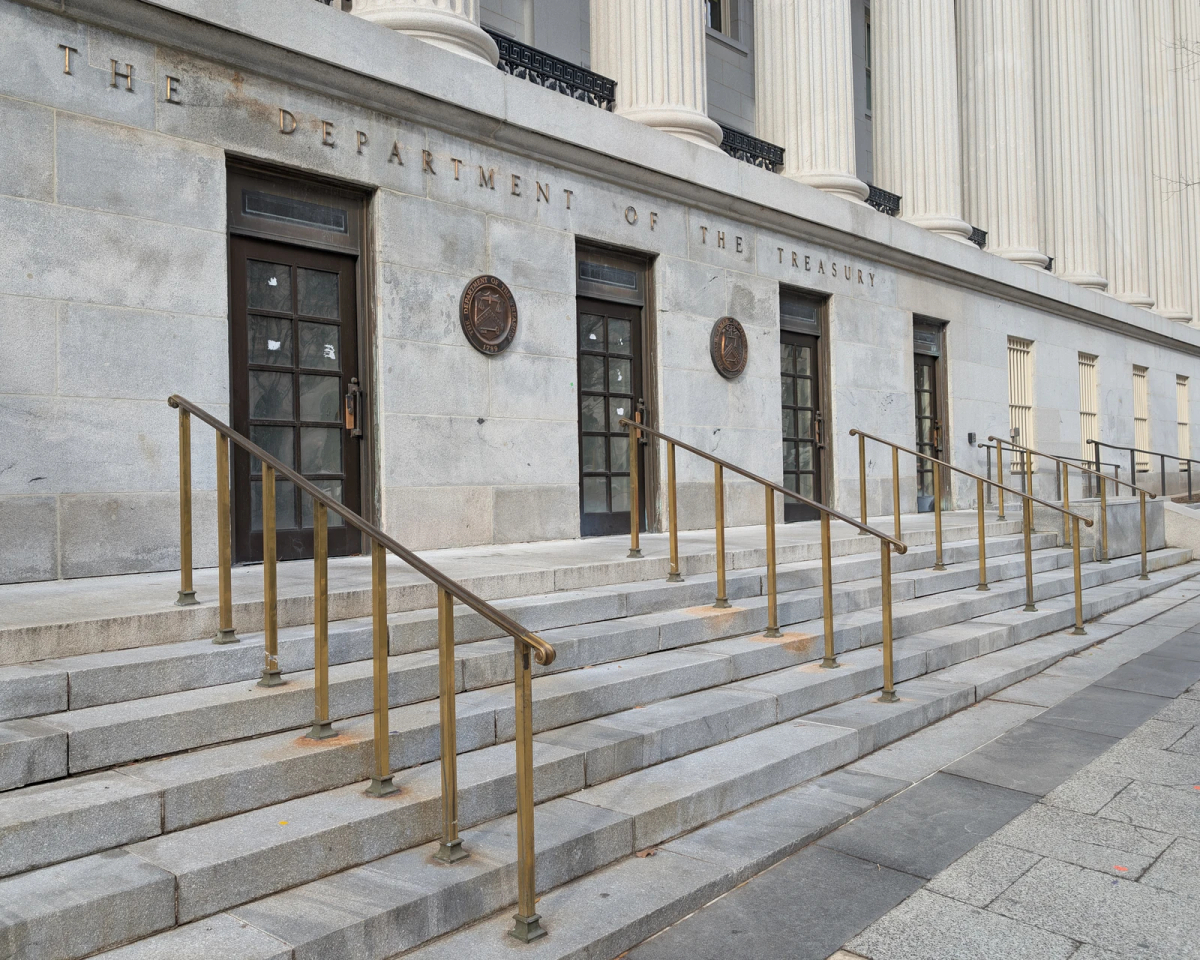
U.S. Treasury Secretary Scott Bessent told attendees at Ripple's Swell 2026 conference that dollar-pegged stablecoins have become "an important source of funding for the Treasury," remarks that crypto commentator X Finance Bull flagged as a significant signal for holders of XRP.
Bessent noted that more than 90% of stablecoins in circulation are already tied to the U.S. dollar. He framed the shift in reserve-currency dynamics as a move away from military and geopolitical dominance toward technological leadership, citing artificial intelligence, semiconductors and digital assets as the three arenas where Washington and Beijing are competing most directly.
"We are going to win in the digital asset stack, and that's going to continue to fortify the dollar," Bessent said. Ripple CEO Brad Garlinghouse, who shared the stage, responded: "Well, I certainly agree."
The commentary drew a line between the Treasury's stance and Ripple's own infrastructure, which rests on three pieces: RLUSD, a dollar-backed stablecoin; the XRP Ledger; and XRP itself.
RLUSD Supply and Institutional Backing
RLUSD is backed by dollar deposits, short-term U.S. Treasuries and other qualifying reserves. As of Nov. 12, Ripple reported a circulating supply of about $2.69 billion against roughly $2.83 billion in reserve assets.
Banking and custody partners have been layering the token into their operations over the past several months.
Note: Cross River Bank began supporting RLUSD transactions in October, and Standard Chartered is developing collateral solutions alongside LMAX Group. DBS and Franklin Templeton are building trading and lending products tied to tokenized money market funds that involve RLUSD.
Where XRP Fits
X Finance Bull pointed to cross-currency settlement as the clearest source of demand for XRP. In a typical flow, a U.S. company pays a supplier with RLUSD, but the supplier wants a different currency. The XRP Ledger then uses XRP as a bridging asset: RLUSD converts into XRP, and XRP converts into the recipient's local currency.
The argument is that as more currencies go live on the ledger, liquidity providers gain more reason to hold XRP to settle transactions efficiently. Ripple's institutional DeFi roadmap from February identified borrowing and lending opportunities for XRP, with Evernorth expressing interest in taking part.
Bessent's remarks matter to the XRP camp because they place dollar stablecoins inside the Treasury's funding strategy rather than at its periphery. If stablecoin demand keeps growing and remains overwhelmingly dollar-denominated, that supports the case for infrastructure built around dollar tokens -- the market Ripple is targeting with RLUSD.
The connection between a Treasury endorsement of dollar stablecoins and the price of XRP is indirect, however. RLUSD's expansion and bank integrations broaden the rails Ripple can offer, but XRP's role as a bridge asset depends on actual settlement volume flowing across the ledger, not on policy rhetoric alone.
The published figures show RLUSD's reserves running slightly ahead of its circulating supply, a cushion issuers typically maintain to absorb redemptions. Whether that supply keeps climbing will depend on how quickly the custody, collateral and lending arrangements now being assembled at Cross River, Standard Chartered, BNY, Coinbase, DBS and Franklin Templeton turn into live transaction flow.
Once added, BigGo Finance appears first in Google Search Top Stories, so you get the broadest, most up-to-the-minute, and most comprehensive global financial news first.


