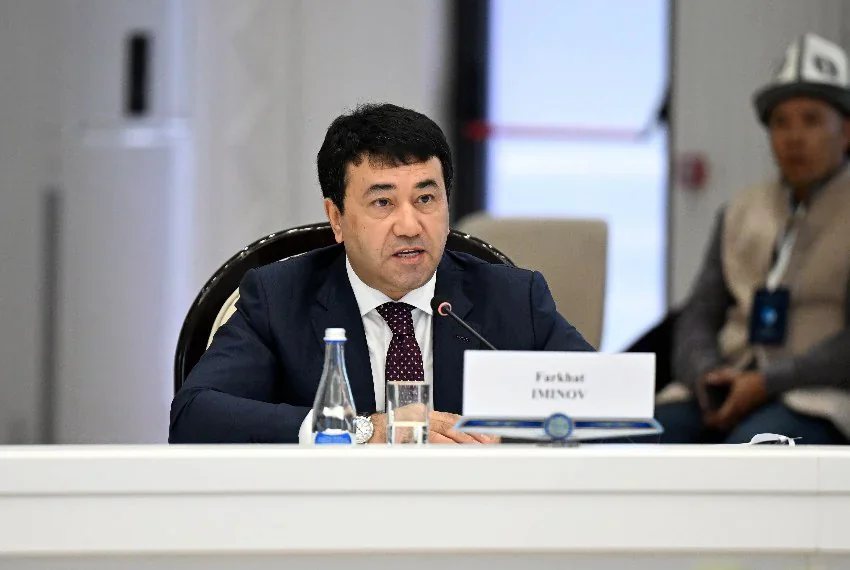
The volume of transactions on Kyrgyzstan’s regulated virtual asset market reached 2.2 trillion soms in the first half of 2026, with approximately 3.8 million transactions conducted during the period. Farkhat Iminov, director of the National Agency for Virtual Assets and Blockchain Technologies, said this in an interview with Erkin-Too newspaper.
According to him, the cryptocurrency and other virtual asset market in Kyrgyzstan is developing rapidly.
In 2024, turnover on the regulated market amounted to 923.7 billion soms. By the end of 2025, it had reached 2.74 trillion soms, almost tripling in one year.
In the first six months of 2026, turnover totaled 2.2 trillion soms, equivalent to around 80 percent of the previous year's full-year figure.
However, these figures reflect transaction turnover involving virtual assets, not the volume of investment in Kyrgyzstan's economy.
According to Iminov, tax revenues from virtual asset service providers amounted to approximately 1.48 billion soms in 2025.
As of October 2026, 172 licensed virtual asset service providers were operating in Kyrgyzstan.
In May this year, President Sadyr Japarov signed a decree establishing the National Agency for Virtual Assets and Blockchain Technologies. The agency was tasked with developing a system of state regulation for the market, protecting users and creating conditions for the development of digital financial instruments.
Iminov said a package of secondary legislation had been drafted to regulate the issuance and circulation of stablecoins and tokens backed by real-world assets, the licensing of cryptocurrency exchanges and trading operators, as well as mining.
The draft regulations underwent public discussion, during which approximately 240 proposals and comments were received.
At the same time, the agency is developing a unified digital platform for regulation and supervision. It is expected to allow users to submit license applications, monitor market participants and verify information about licensed companies.
The platform will also incorporate artificial intelligence for document analysis and blockchain analytics tools.
According to Iminov, a special regulatory committee has been established within the agency to collectively review applications for licenses and permits.
The head of the agency also highlighted the risks associated with investing in virtual assets. He noted that the use of blockchain technology does not eliminate the risks of cyberattacks, fraud, software vulnerabilities or loss of access to digital wallets.
In addition, virtual asset prices can fluctuate significantly. Iminov stressed that citizens should check whether service providers hold the required licenses and carefully review the terms and conditions of transactions.
At the same time, a license confirms a company's right to conduct regulated activities but does not guarantee the safety of invested funds or any return on investment.
According to the agency's head, further market development could help attract investment, encourage the establishment of technology companies and create new jobs. However, the actual economic impact will depend on the quality of regulation and the practical implementation of the projects.