PiCK
Summary
- The leaders of the US, China and Russia said they would hold a three-way summit to discuss nuclear arms reduction and international security.
- The South Korean government warned against a second Yalta Conference and stressed that the Korean Peninsula issue is a vital interest for South Korea.
- The South Korean side said it is concerned about any outcome that would recognize North Korea as a nuclear-armed state or run counter to efforts to build a peace regime on the Korean Peninsula, and stressed the need to prevent any harm to national interests.
Forecast Trend Report by Period
Trump, Xi and Putin to Meet at APEC in Shenzhen
Nuclear Arms Cuts on Agenda, With Focus on Whether North Korea Issue Comes Up
Cho Hyun Says Korean Peninsula Is a Vital Interest for South Korea
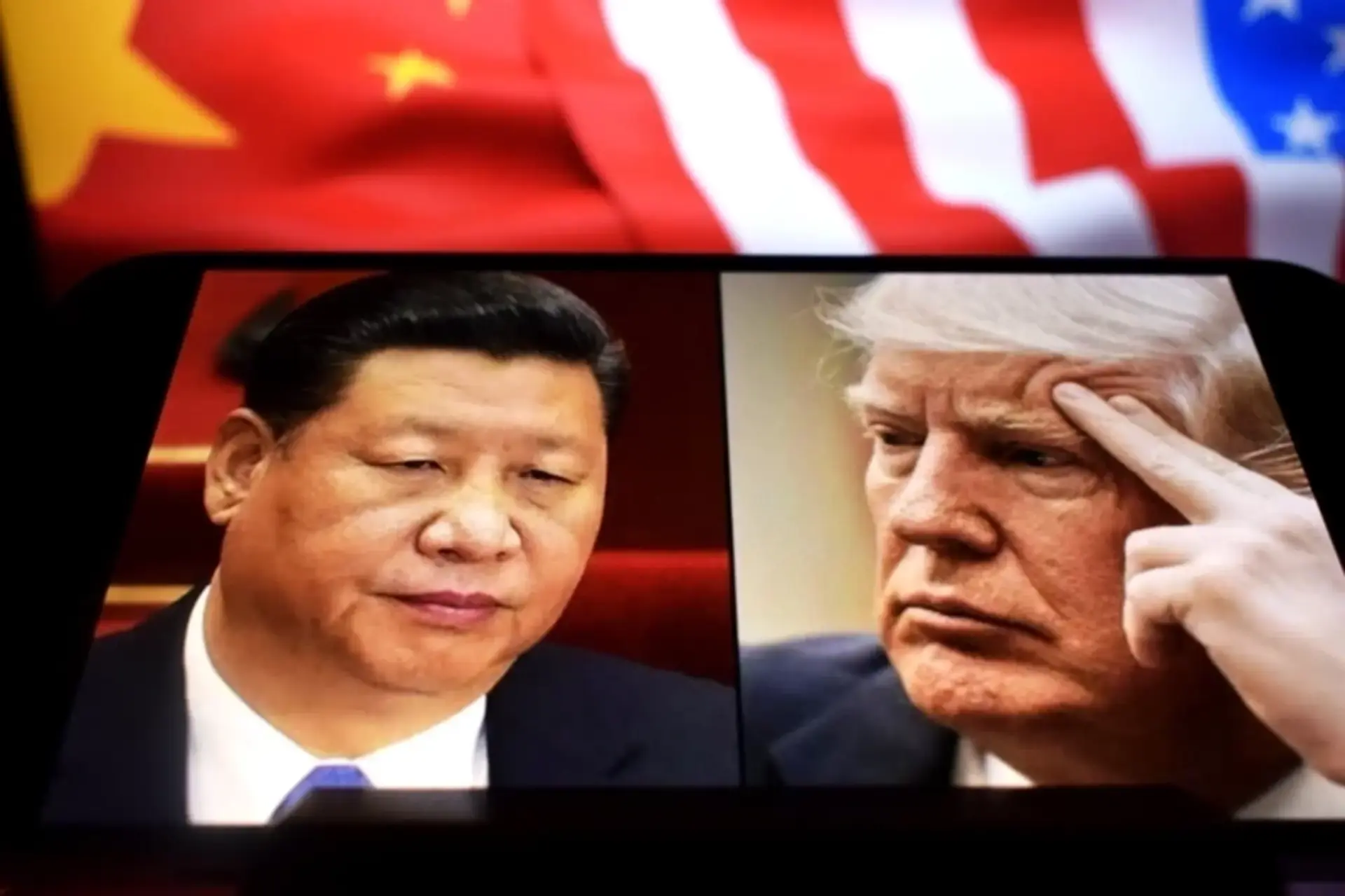
The leaders of the US, China and Russia will hold their first trilateral summit in Shenzhen, China, on Nov. 19. President Donald Trump, Chinese President Xi Jinping and Russian President Vladimir Putin are set to discuss nuclear arms reduction and broader international security issues.
South Korea has told China the Korean Peninsula must not become the subject of a “second Yalta,” with major powers deciding its fate without fully reflecting Seoul’s views and interests.
Reuters and the Associated Press reported on Nov. 14 that the White House announced on Nov. 13 that Trump would meet Xi and Putin on the sidelines of the Asia-Pacific Economic Cooperation summit in Shenzhen on Nov. 19.
Olivia Wales, a White House spokeswoman, said Trump would discuss reducing nuclear weapons worldwide. The US also said the war in Iran would be a major agenda item.
With nuclear arms reduction formally listed for the summit, attention is turning to whether North Korea’s nuclear program will also be discussed. The White House agenda did not explicitly include the issue.
Reuters reported that the US State Department said Secretary of State Marco Rubio and Chinese Foreign Minister Wang Yi, in a Nov. 11 phone call, agreed on the importance of leader-level dialogue to advance peace and denuclearization. The possibility of a three-way summit involving Russia was also raised. China’s official readout, however, did not mention denuclearization or a trilateral summit.
Against that backdrop, Cho Hyun, South Korea’s foreign minister, said at a briefing at the South Korean Embassy in Beijing on Nov. 14 that Seoul had clearly conveyed its principles on the Korean Peninsula issue to China. “We stressed that, as a direct party to peace on the Korean Peninsula, the issue is one of vital interest to us,” Cho said.
Cho met Wang for about 90 minutes the previous day at Beijing’s Diaoyutai State Guesthouse and continued the discussions over dinner. They held in-depth talks on developments on the Korean Peninsula, including exchanges between North Korea and China and the possibility of a North Korea-US summit. According to diplomatic sources in Beijing, Wang also agreed that peace and stability on the Korean Peninsula are in China’s national interest.
South Korea is particularly wary that the Korean Peninsula could be discussed by the US, China and Russia without Seoul at the table. A foreign ministry official said Seoul used the phrase “second Yalta” in explaining its concerns to the Chinese side. The reference was to the February 1945 Yalta Conference, where the leaders of the US, the UK and the Soviet Union discussed the postwar international order. Seoul’s point was that major powers should not decide the fate of the Korean Peninsula without fully reflecting the wishes of the countries directly concerned.
The South Korean side also conveyed that it opposes any outcome that would recognize North Korea as a nuclear-armed state or run counter to the government’s efforts to build a peace regime on the Korean Peninsula.
A senior South Korean foreign ministry official said Wang immediately understood Seoul’s concerns and replied, in substance, that South Korea’s interests would not be harmed in discussions over the Korean Peninsula issue.
Whether a North Korea-US summit will take place remains unclear. Reuters reported on Nov. 13, citing a US government official, that Trump has no plans to meet North Korean leader Kim Jong Un during next week’s trip to Asia.
Cho also took a cautious view of the prospects for a North Korea-US summit. A foreign ministry official said on Nov. 14 that “the possibility exists, but it is not high.” The official cited Trump’s willingness, the domestic situation in the US and whether North Korea would accept such a meeting as key variables. The official added that Seoul must be prepared to protect its national interests under any scenario.
The South Korea-China foreign ministers’ talks also covered China’s influence on North Korea and ways to cooperate on building a peace regime on the Korean Peninsula. The two sides also agreed to maintain strategic communication on Korean Peninsula issues.
Cho said the foreign ministers agreed to carry forward at this APEC meeting the broader momentum toward fully restoring bilateral ties. The two sides also plan to continue working-level consultations to prepare specific cooperation projects to be announced at a summit between their leaders ahead of the 35th anniversary of diplomatic ties next year.
Kim Eun-jung, Beijing correspondent, Hankyung.com, [email protected]
Korea Economic Daily