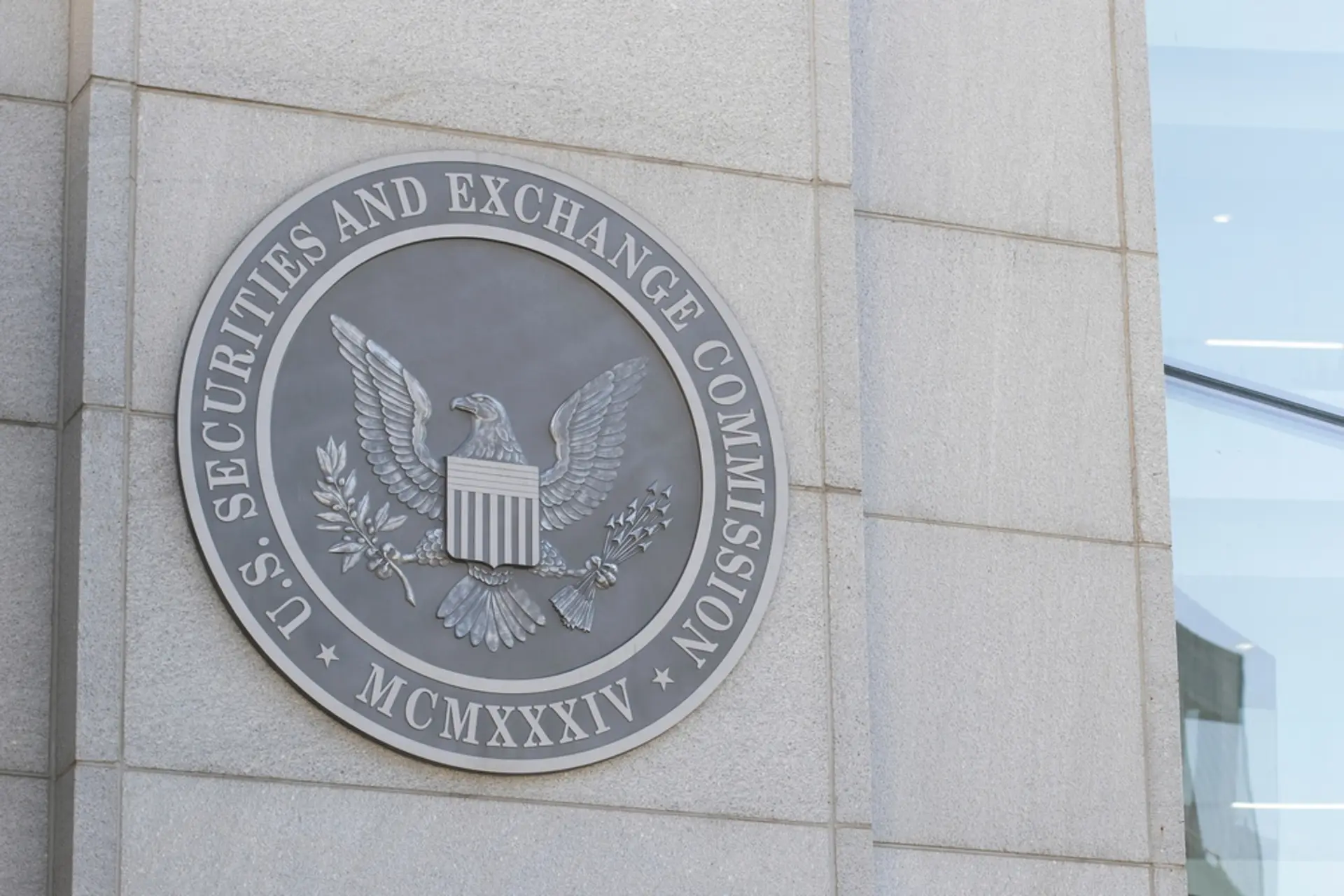
Cryptocurrency-related stocks staged a dramatic rebound on Tuesday as Americans cast ballots in the U.S. midterm elections, recovering from a steep October selloff. Coinbase (COIN) rose 6% on the day and Galaxy Digital (GLXY) surged 13%, yet hedging costs in the options market remain elevated, reflecting lingering investor concerns that Democrats could sweep both chambers of Congress and tighten digital-asset regulation.
The rally was sharp and swift but did little to mask October's brutal correction. Coinbase shares plunged 23% last month and Galaxy Digital tumbled 30%, both posting their worst monthly performance since 2022; Strategy (MSTR) and Bullish fell 15% and 32%, respectively, over the same period. Market sources indicated that the cost of protection against a 10% decline in crypto stocks over the next month has climbed to its highest level since April, while the equivalent gauge for Strategy touched its peak since June.
Two ETFs tracking crypto-linked equities — the Global X Blockchain ETF (BKCH) and the Amplify Blockchain Technology ETF (BLOK) — both saw net outflows last month, suggesting some capital retreated ahead of the election.
Regulatory Tailwinds Under Scrutiny
The core logic behind the selloff is that the digital-finance regulatory tailwinds built up since Donald Trump took office could fundamentally shift depending on the election outcome. If Democrats capture both the Senate and the House, the regulatory environment for cryptocurrencies and prediction markets is expected to tighten markedly, and Trump himself and his associates could face congressional scrutiny.
"The market has recognized that some of the benefits crypto companies have received from regulatory adjustments at the SEC and CFTC are not permanent, and their trajectory depends on the election outcome," said Mark Palmer, an analyst at StoneX Financial. He believes that while election risk has been partly priced in, crypto stocks could see an immediate negative reaction on Wednesday if Democrats win the House by a wide margin.
In September, Democrats joined a handful of Republicans in blocking progress on the Clarity Act, which had been designed to transfer primary regulatory authority over the digital-asset industry from the SEC to the Commodity Futures Trading Commission (CFTC). After the bill stalled, stocks including Coinbase and Circle Internet Group (CRCL) fell sharply, and regulatory uncertainty has since become a persistent drag on the sector.
"Given the expected midterm outcome, I don't think the Clarity Act will return to the agenda before 2027, and some of the impact may already be priced in," said Owen Lau, an analyst at Clear Street.
Warren's Moves in Focus
If Democrats win both chambers, Senator Elizabeth Warren is expected to become chair of the Senate Banking Committee, which holds legislative oversight over cryptocurrencies and digital assets. TD Cowen analyst Jaret Seiberg wrote in a late-October research note that this would be "the most unfavorable election outcome for the crypto industry, because Warren is a crypto skeptic and a leading force behind blocking the Clarity Act."
Seiberg cautioned, however, that Warren cannot stop regulators from pursuing crypto-friendly policies, and Trump will most likely continue to support the industry and veto any legislation limiting his regulators' authority. In other words, the tug-of-war between the executive and legislative branches will determine the actual strength of any regulatory tightening.
The crypto industry suffered another blow in late October when hackers stole $6.3 billion (about NT$210 billion) from crypto exchange Binance, the largest theft in crypto history. Morgan Stanley analyst Michael Cyprys wrote in a client note that the high-profile hack could trigger "heightened regulatory scrutiny of cybersecurity, asset custody, operational safeguards and customer asset protection."
Established Exchanges Could Be Winners
Notably, if Democrats win a majority of seats, the beneficiaries may not be crypto upstarts but established exchanges such as Cboe Global Markets (CBOE) and CME Group (CME). Analysts believe a stricter regulatory environment would favor established institutions with robust compliance systems over newer platforms with lighter standards. Last month, Cboe received approval from U.S. regulators to become the first securities exchange cleared to list options contracts tied to corporate performance metrics.
In prediction markets, which currently enjoy strong federal policy backing under the Trump administration, a Democratic victory could likewise bring regulatory pressure and legal challenges. Crypto companies such as Coinbase, Bullish and Circle have in recent years aggressively expanded into new businesses including tokenization and prediction markets to reduce their reliance on plain-vanilla crypto trading, but their revenue still comes mainly from crypto operations, making the impact of regulatory uncertainty hard to fully avoid.
Several analysts noted that if Democrats take power, the ranking of their policy priorities will largely determine the actual direction of the digital-finance industry. Hyunsu Jung, CEO of Hyperion DeFi, said the digital innovation sector is in a phase of rapid development, but the new majority party may prioritize issues such as resurgent inflation and Middle East conflicts while allowing the CFTC and SEC to continue advancing rulemaking.
Justin Slaughter, a senior adviser at investment advisory firm Paradigm, echoed that view: "The choice facing Democrats is whether to concentrate on winning a few hard fights or to go all-out across the board."
Palmer looked further ahead. He said that as the 2026 midterms conclude and the 2028 presidential race enters its substantive phase, the market's scrutiny and scenario analysis of candidates' crypto policy positions will heat up markedly, "and the controversy and speculation surrounding the crypto space will be considerable, for both parties."
Market Impact and What to Watch
Judging by options pricing and ETF flows, the market's pricing of the election outcome remains conservative. The rebound in crypto stocks on voting day partly reflects short covering and a correction of excessive pre-election pessimism, but persistently high hedging costs mean institutional investors have not truly let down their guard.
For investors, the near-term key is the margin of the House majority. If Democrats hold a clear advantage, crypto stocks could face a fresh wave of selling; conversely, if Republicans hold the House, Trump-era regulatory tailwinds could continue and the sector may enjoy a more durable recovery. Over the medium to long term, the policy debate over the 2028 presidential election will begin in earnest in 2027, and the politicization of crypto regulation will only intensify, bringing greater volatility with it.