The record-breaking Binance hack is prompting the UK to reconsider its DeFi oversight, with new authorization requirements planned for crypto platforms.
Table of contents
- The UK FCA is plotting stricter DeFi regulations following the $6.3 billion Binance hack, citing money laundering, fraud, and consumer protection risks
- The regulator wants UK-regulated crypto platforms to stop routing retail transactions through decentralized platforms, including offshore venues
- Crypto industry representatives warn that tougher restrictions could stifle innovation and limit UK investors' access to decentralized financial services
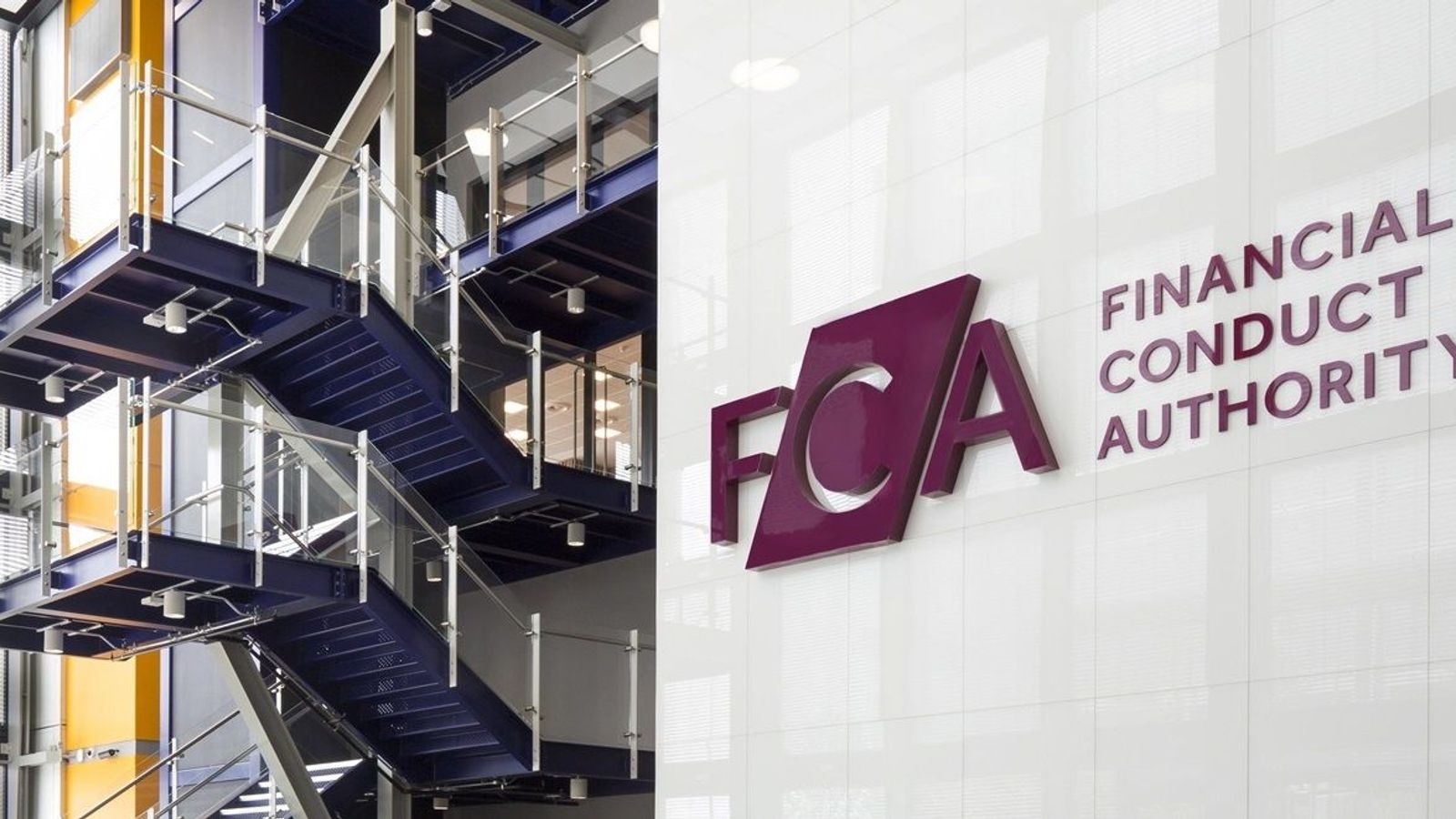
The UK's Financial Conduct Authority (FCA) is eyeing tighter regulatory requirements on DeFi platforms, citing money laundering and consumer protection concerns. The latest plans come on the heels of Binance’s jarring hack that led to the loss of over $6.3 billion in customer funds.
Binance hack raises concerns among UK regulators
According to a Financial Times report, UK regulators are mulling asking DeFi platforms to obtain authorization under the UK's incoming crypto regulatory framework. The move reflects growing concerns about how decentralized protocols can facilitate the movement of stolen digital assets beyond the reach of authorities.
The October 29 Binance hack, which authorities have linked to North Korean hackers, became a key example of the challenges regulators face when stolen crypto moves through decentralized exchanges and other blockchain-based services.
Source: Fireblocks
Hackers used decentralized protocols, including THORChain, to move stolen funds following the breach. Such platforms typically operate through smart contracts, making it difficult for authorities to intervene, freeze assets, or reverse transactions once they are executed.
Jane Moore, the FCA's head of payments and digital assets, warned that the speed and scale of transfers through DeFi platforms could frustrate efforts to intercept illicit funds.
The regulator's concerns extend beyond the recovery of stolen assets to broader risks involving money laundering, fraud and the limited protections available to consumers using decentralized services.
FCA draws a line between regulated crypto platforms and DeFi
Under the proposed approach, UK-regulated crypto trading platforms would not be permitted to execute retail transactions through DeFi platforms. The FCA also wants retail equity orders, including tokenized stocks, to be executed through regulated venues rather than unauthorized offshore platforms.
The regulator's position is that financial products should face similar regulatory standards regardless of whether they are traded through traditional systems or blockchain-based infrastructure. The approach could limit access to some decentralized lending, trading and tokenized equity services for UK retail investors through regulated intermediaries.
The FCA has been developing its broader crypto regulatory framework for several years. The incoming regime is expected to cover activities such as cryptoasset trading, custody, staking and other services, with the new rules scheduled to take effect on October 25, 2027.
Crypto industry pushes back against tighter restrictions
The FCA's proposed approach has drawn criticism from industry participants who believe stricter restrictions could limit innovation and leave UK investors at a disadvantage compared with users in other jurisdictions.
Aave Labs' chief legal and policy officer, Linda Jeng, questioned the scope of the proposed requirements, seeking clarity on which DeFi-related service providers would be subject to authorization. Industry representatives have also raised concerns that providers of technical services could be caught by rules intended for financial intermediaries.
Coinbase policy representatives have reportedly argued that the UK risks restricting regulated access to DeFi while the European Union explores ways to allow regulated firms to facilitate access to decentralized protocols.
The debate points to a broader regulatory divide over how governments should approach DeFi. While regulators increasingly seek to address risks associated with illicit transactions and consumer losses, crypto firms argue that overly restrictive requirements could push users toward offshore platforms with fewer safeguards.
The FCA closed its consultations on DeFi guidance and crypto regulatory perimeter rules on November 18. It expects to publish final DeFi guidance in January 2027, ahead of the broader regulatory framework's implementation in October 2027.
Aliyu Pokima is an accomplished journalist with a keen focus on cryptocurrencies and emerging technology. He has over five years of active newsroom experience under his belt, honing his craft across leading publications in the industry. His work focuses on macro trends, digital asset policies, and breaking Web 3 stories. When he's not poring over charts and following leads, he spends time volunteering and reading fiction.