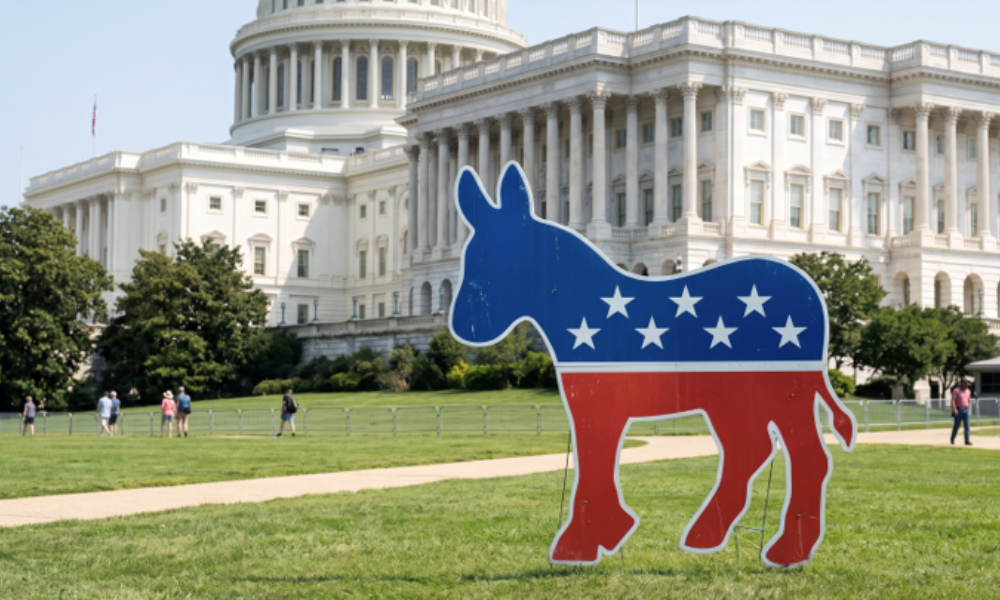
Federal Reserve monetary-policy decisions, however, do not require approval from either the president or Congress. The change in Senate control affects appointment powers and oversight, rather than giving Democrats direct control over interest rates.
AI expansion and card fees draw bipartisan pressure
Artificial intelligence (AI) data-centre development faces opposition among voters from both major parties, while proposals to reduce credit-card fees could also attract support from Democrats and some Republicans.
Democratic candidates in Texas, Georgia and Michigan called during the campaign for temporary pauses in new data-centre construction. Concerns include the effects on local communities and the tax incentives received by technology companies. Those campaign proposals should not be confused with an enacted federal construction ban.
For banks and payment networks, lower credit-card fees could put pressure on revenue. Visa and Mastercard are among the companies potentially affected, although cross-party support for reducing fees does not establish the final form or timing of any legislation.
Biofuels and health subsidies offer possible relief
Farm groups hope Democratic gains will strengthen support for crop-based biofuels, while Democrats are expected to renew efforts to restore enhanced health insurance subsidies.
The US agricultural sector wants a greater proportion of fuels made from corn and soybeans blended into petrol and diesel. Increased use of those biofuels could support demand for crops and farmers’ incomes, but the prospective benefits depend on policy changes being agreed.
Democrats are also likely to push for the restoration of enhanced premium subsidies under the Affordable Care Act (ACA), commonly known as Obamacare. The additional assistance expired on December 31, 2025, after Republicans did not support an extension, contributing to higher premiums and prompting many Americans to drop their cover.
Existing ACA premium tax credits remain available to eligible applicants. The potential policy change concerns restoring the enhanced assistance, rather than reinstating an entirely discontinued subsidy system.
Tariff and Iran war pledges face presidential limits
Democratic efforts to reverse Trump’s tariffs and end the Iran war face a major obstacle in the president’s veto power, limiting the party’s ability to deliver its proposed response to cost-of-living pressures.
Ken Martin, chair of the Democratic National Committee, has identified ending the tariffs and the war as priorities. Democrats argue that the policies have increased costs, with the conflict adding pressure to energy and fuel prices.
Trump accepted the election outcome and indicated in a Fox News interview that he was willing to work with Democrats, but threatened to veto legislation he considered “insane”, Reuters reported.
Overriding a presidential veto requires a two-thirds majority in each chamber of Congress. Democrats would therefore need substantial Republican support to enact contested measures over Trump’s objections, presenting a considerable challenge in a deeply divided political environment.

Losing congressional control does not remove Trump from the presidency. The US presidential system differs from Thailand’s parliamentary system, where a government depends on support in the House of Representatives and risks losing office through a successful no-confidence vote.
For the US economy, the election therefore creates greater scope for investigations, challenges to appointments and negotiations over policy, while leaving the implementation of major legislative changes dependent on presidential agreement or sufficiently broad congressional support.
Economic frustration drives Democratic gains
Discontent over living costs and the Iran war helped Democrats win support in Republican strongholds, Reuters reported. Gains extended across wealthy and poorer counties, particularly in heavily Latino areas.
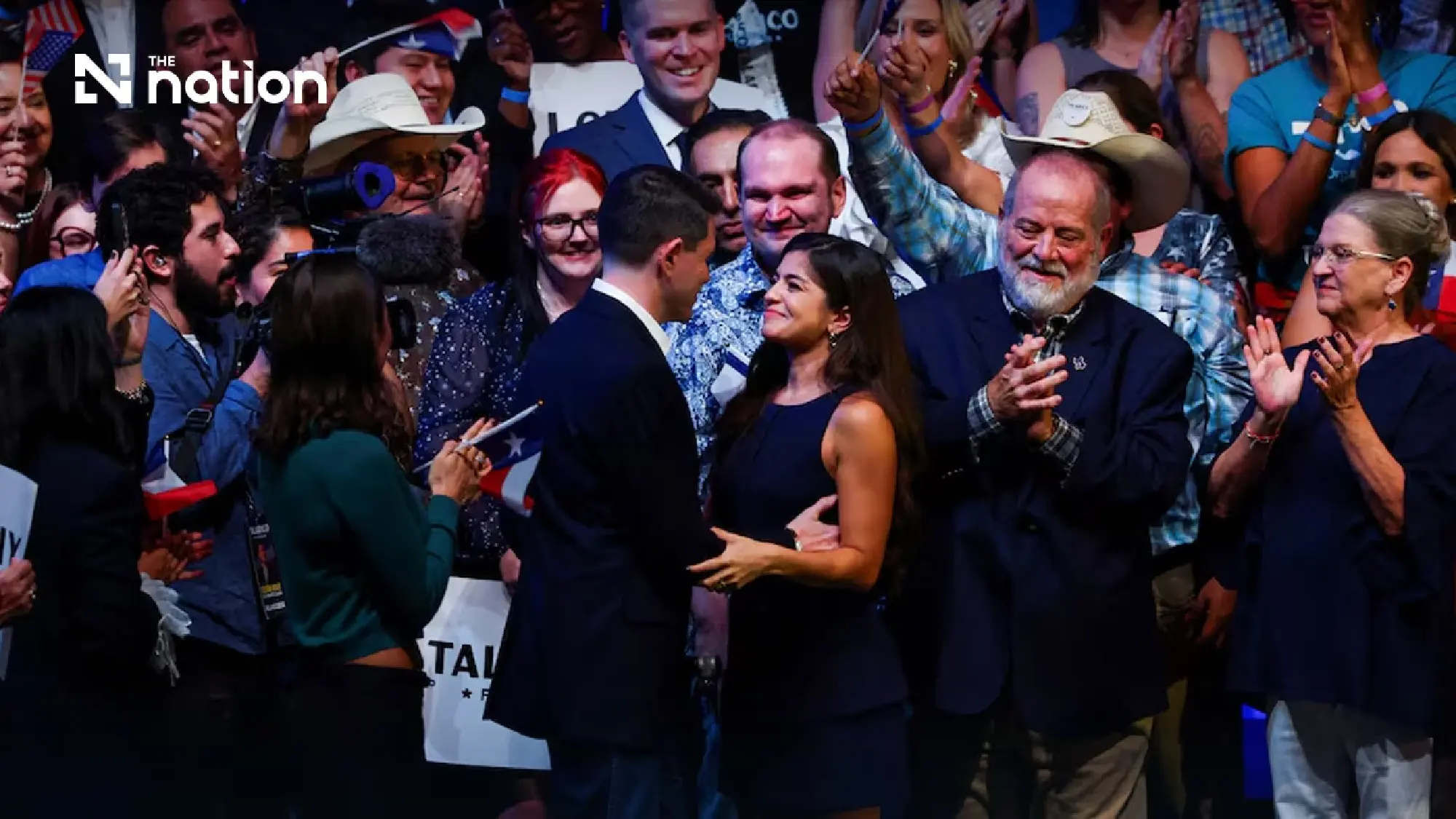
Texas delivered a Democratic Senate victory and the defeat of three-term Governor Greg Abbott, while Kansas elected its first Democratic senator since the Great Depression. Trump-backed Senate candidates Ken Paxton in Texas and Darline Graham in South Carolina both lost.
Republican Senator Susan Collins lost in Maine after 30 years in office. Michigan elected Abdul El-Sayed, who defeated Mike Rogers to become the first Muslim elected to the Senate.
Democrats had also won all 20 particularly competitive House races decided when Reuters published its November 4 report. Senate contests in Mississippi and Alaska remained uncalled.
Exit polling by SSRS for a consortium of US media organisations found that 70% of respondents wanted stronger congressional checks on Trump. Half viewed the election as a chance to rebuke the president, while three-quarters were angry or dissatisfied with the country’s direction.
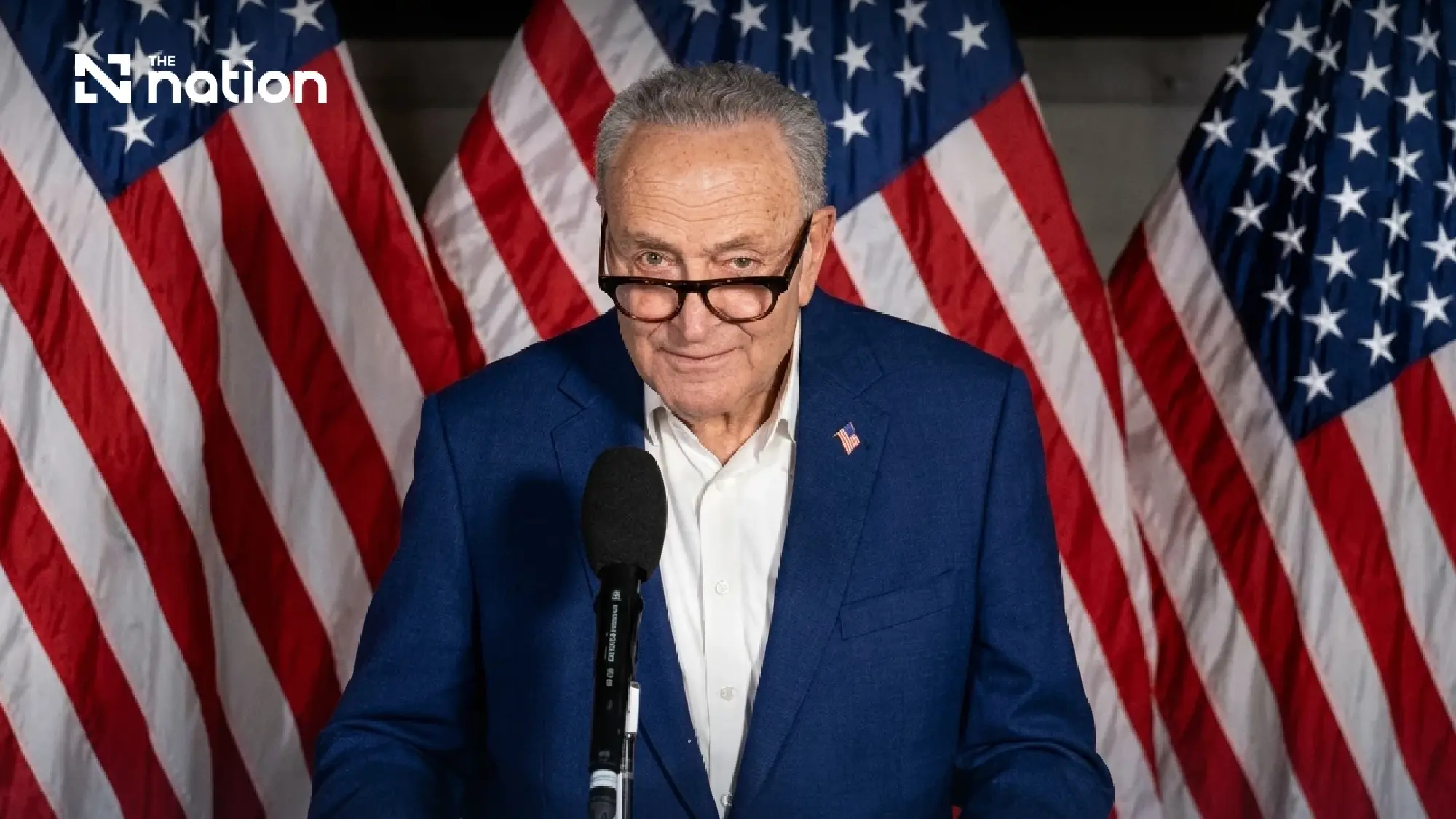
Senate Democratic leader Chuck Schumer said: “Americans voted for change, and now Democrats must deliver.”