Summary
- Representative Steven Horsford said a bipartisan digital-asset tax bill has a chance to pass the House of Representatives during the current session.
- He said the Digital Asset Tax Certainty Act would establish federal tax standards for digital-asset transactions and rewards and would exclude gains or losses on qualified network or transaction fees of $10 or less from taxation.
- He said the bill moves toward taxing mining and staking rewards as ordinary income, but the timing of income recognition and the schedule for a floor vote remain undecided, making them key variables in the future overhaul of the US digital-asset tax system.
Forecast Trend Report by Period
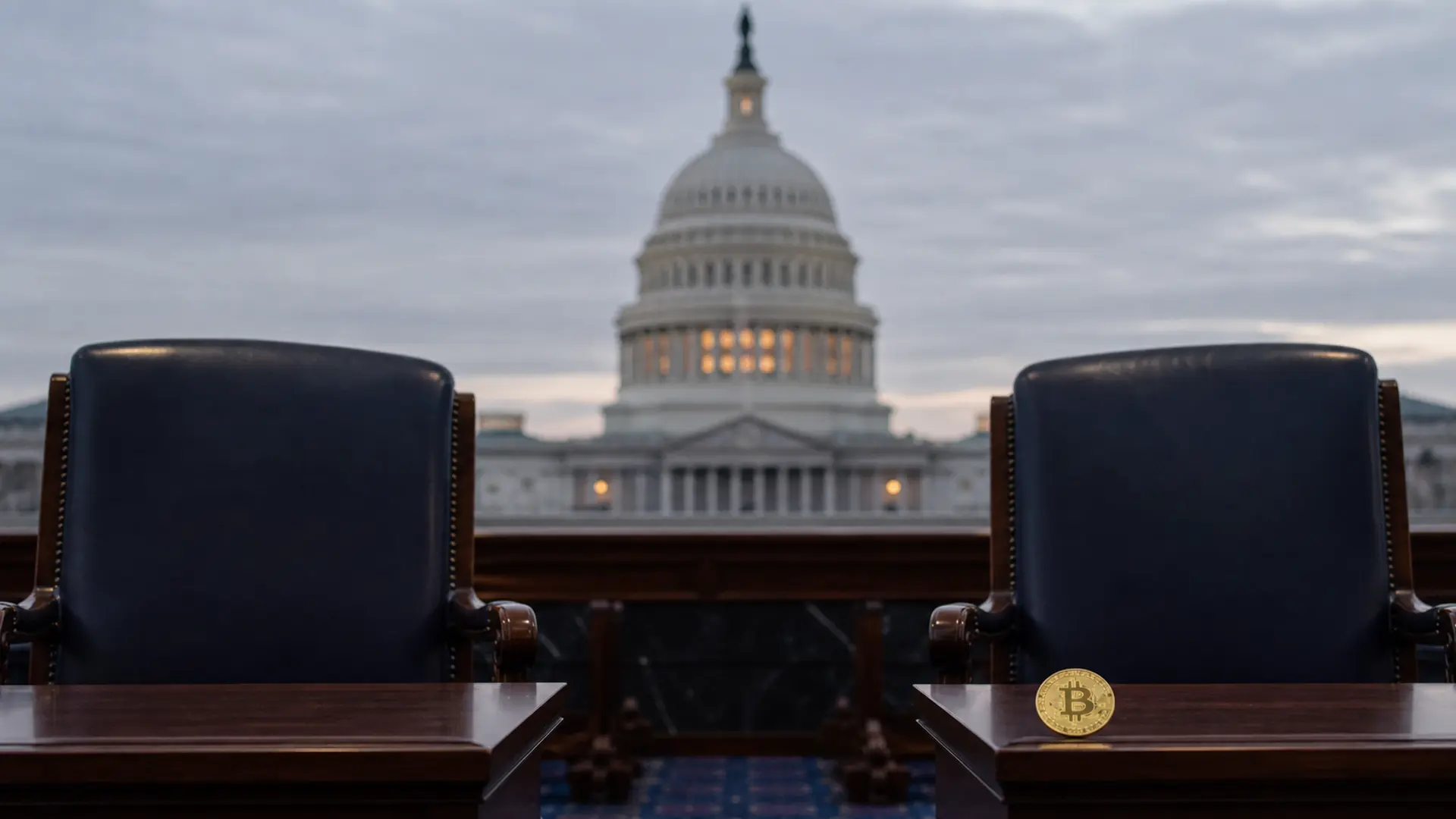
A bipartisan bill to establish tax standards for digital assets in the US House of Representatives could still move forward before the current congressional session ends.
The Block reported on November 20 that Representative Steven Horsford, a Democrat, said at the Capitol Crypto Forum the previous day that he had discussed the bill's prospects with House Ways and Means Committee Chairman Jason Smith.
"I spoke with Chairman Smith earlier this week, and we agreed there is an opportunity to pass a bipartisan bill through the House," Horsford said. He added that the measure needs to reach the House floor before the current congressional session ends. He did not provide a specific timetable for a vote.
The measure under discussion is Smith's Digital Asset Tax Certainty Act. The bill passed the House Ways and Means Committee in September by a 38-5 vote and would establish federal tax standards for digital-asset transactions and rewards.
In particular, the legislation would exclude gains or losses from taxation when qualified network or transaction fees of $10 or less are paid in digital assets. It would also extend wash-sale rules, which apply to stocks and other assets, to traded digital assets. A wash sale refers to a transaction in which an investor sells an asset at a loss and then repurchases the same or a substantially identical asset within a short period to claim the tax loss.
Horsford said Smith's bill incorporates most of the key provisions from the Digital Asset PARITY Act, which he prepared with Republican Representative Max Miller. He added that while the legislation moves toward taxing mining and staking rewards as ordinary income, it still does not resolve when that income should be recognized.
Horsford also maintained a positive stance on the CLARITY Act, a digital-asset market structure bill whose progress has been delayed in the Senate. He said the legislation should include safeguards related to ethics and transparency.
He likened the GENIUS Act, a stablecoin regulation bill, the CLARITY Act and the Digital Asset PARITY Act to three legs supporting US digital-asset policy.
The crypto tax bill has cleared a key House committee, but a floor vote has not yet been scheduled. Whether it can pass during the current congressional session is emerging as a key variable in the broader overhaul of the US digital-asset tax framework.
Suehyeon Lee