Share
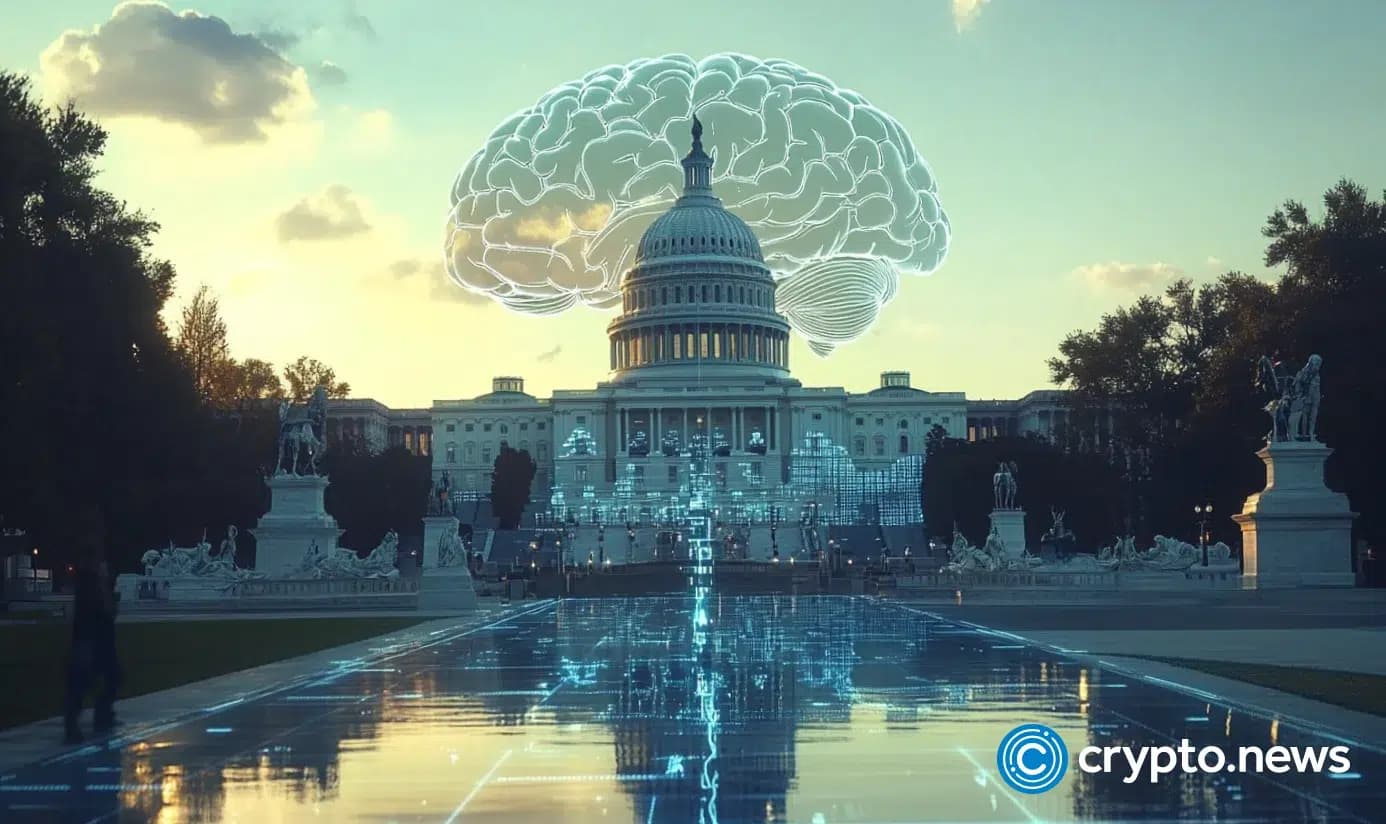
The biggest heist in crypto history has caught Washington’s attention. US bank regulators are now asking whether the damage stayed inside the crypto world.
Supervisors from the Federal Reserve and the Office of the Comptroller of the Currency began calling banks on Monday morning, Reuters reported. Citing several people familiar with the matter, it said they wanted to know about any unusual activity or service disruptions after the $6.3 billion hack of Binance.
What happened at Binance
The attack hit on October 29, 2026. Hackers drained between $6.3 billion and $6.4 billion from Binance hot wallets.
Hot wallets are the exchange’s online accounts, kept connected so customers can trade and withdraw quickly. That convenience is also what makes them a target.
The theft took just 20 to 30 minutes. It spanned multiple blockchains, with Ethereum carrying most of the activity.
The FBI attributed the breach to TraderTraitor, a North Korean unit that sits within the Lazarus Group. That group is no stranger to big crypto scores. It was also linked to a major heist at Bybit in 2025.
The incident now ranks as the largest recorded theft in the crypto sector.
The cleanup and the recovery
Binance moved fast once the drain was detected. It paused withdrawals and earmarked more than $6.34 billion from its reserves to cover losses. That pool included its Secure Asset Fund for Users, known as SAFU.
The news moving money, markets, and the world—before your day starts.
Daily. Free. Join 34,000+ readers across crypto, finance, and policy.
We respect your privacy. Unsubscribe anytime.
Stablecoin issuers also stepped in. Tether froze approximately $1.57 billion in USDT tied to the stolen funds. Circle froze more than $800 million in USDC.
Those freezes matter. Stablecoins are centrally issued, so their issuers can block tokens sitting at specific addresses. That gives them a lever that most other crypto assets simply don’t have.
By early November, Binance said it had recovered 90% to 95% of the stolen assets through a mix of repurchases and freezes. It started reopening withdrawals on November 1.
Early reports put initial user outflows at roughly $3.6 billion to $4.7 billion.
Why bank regulators are paying attention
The Fed and OCC calls signal a shift in how authorities view crypto risk. The questions are practical. Did banks see strange flows? Did any payment or custody services wobble? Were clients connected to Binance pulling cash in unusual patterns?
The response is also feeding a wider policy debate. CFTC Chairman Michael Selig has been pushing for stronger oversight of offshore exchanges in the wake of the hack.
That framing is significant. Binance operates largely outside direct US supervision, yet its troubles prompted US bank regulators to start making phone calls.
What this means for crypto and its critics
The recovery figures cut both ways. Binance getting back 90% to 95% of the funds, with help from Tether and Circle, shows the industry has real tools for damage control. It also shows how much of that control depends on centralized players with freeze powers.
The North Korea attribution adds another layer. A state-linked group draining billions in under half an hour turns exchange security into a national security issue as well as a market one.
Investors should watch three things. The first is whether the Fed and OCC outreach turns up any real disruption. The second is whether Selig’s push becomes formal proposals. The third is whether Binance’s withdrawal volumes settle now that access is back.