VTB Bank began offering Bitcoin trading to qualified investors on Nov. 27, 2026, opening a bank-run channel for buying and selling digital assets in Russia one day after the central bank signed off on mandatory investor testing standards. Transactions are being executed over the counter through the lender's brokerage arm, with exchange-based trading still to come.
Clients of the brokerage division can trade cryptocurrencies in the VTB My Investments app, according to the bank's announcement. The service is limited to qualified investors, a legal designation for Russians who meet wealth or experience thresholds, and every participant must pass a knowledge assessment before placing an order. VTB handles purchases, custody and ownership records on domestic infrastructure, and clients must open a separate digital account at the bank's digital depository alongside their existing brokerage accounts.
Andrei Yatskov, head of brokerage services at VTB, said the bank would focus first on buying and selling, then add services as the regulatory framework develops.
The launch rests on a licensing decision made in October. The Bank of Russia admitted the first five digital depositories and four crypto exchange operators on Oct. 6, 2026, and reports indicate VTB received its licenses that day. The central bank's approval of testing standards on Nov. 26 cleared the last procedural hurdle that had held up digital asset services.
Under those standards, investors must answer at least seven of eight questions correctly, covering cryptocurrency regulation, asset characteristics, price volatility and transaction restrictions. The test is free, and a failed candidate can retry the same day with a different question set. Intermediaries are barred from disclosing correct answers, and a passing result remains valid for one year from the assessment or the investor's most recent crypto transaction, whichever comes later.
The testing requirement sits on top of retail investment rules that took effect Nov. 17. Non-qualified investors may buy Bitcoin, Ether and Tether's USDT, but purchases through any single intermediary are capped at 300,000 rubles a year. Qualified investors face no such ceiling and can access a broader list of tokens.
Note: Ruble figures refer to annual purchase limits per intermediary under Bank of Russia rules.
Organized exchange trading is the next step. Russia authorized regulated crypto exchange trading from Nov. 22, provided each venue obtains approval for its operating rules. SPB Exchange confirmed on Nov. 27 that it will open spot trading in Bitcoin, Ether and USDT against the ruble on Dec. 1, from 9:00 to 16:00 Moscow time, with same-day settlement, after the central bank added the platform to its digital depository register. Moscow Exchange is also targeting Dec. 1 and plans a separate crypto trading section built on its existing stock market trading and clearing infrastructure.
Sberbank, the country's largest lender, received regulatory authorization in October to provide Bitcoin custody and has set Dec. 1 as its target for launching crypto trading infrastructure. That rollout remains planned rather than live.
The competitive logic is straightforward: banks already hold client relationships, custody systems and brokerage apps, making them natural gateways once the legal framework exists. Russia's digital currency law took effect Sept. 1, 2026, and the central bank began admitting licensed depositories and exchange operators the following month. Limited access to international venues has also shaped domestic demand.
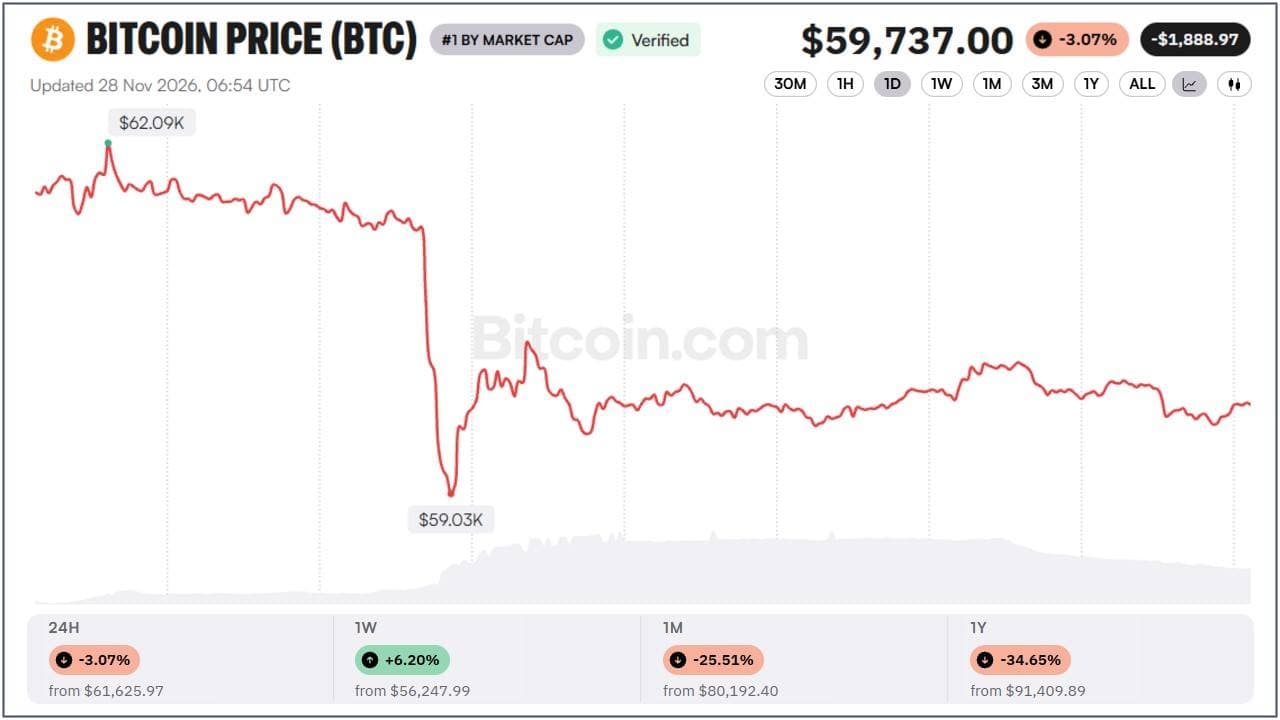
For all the activity, the reach of VTB's offering is narrow. Access is confined to qualified investors, trades are OTC rather than on a public order book, and the service is one piece of infrastructure rather than evidence of mass retail participation. There is no data showing the launch has moved Bitcoin prices or global trading volumes. VTB also operates under international sanctions, which complicates cross-border dealings and means the domestic channel does not function as a route around restrictions.
The wider significance lies in the calendar. If the Dec. 1 exchange openings proceed as scheduled, Russia will move from bilateral OTC deals to a spot market with published rules, same-day ruble settlement and brokerage connectivity. How quickly individual investors gain access will depend on how fast brokers complete their operational links to the venues. Until that infrastructure proves itself, the VTB launch reads as an early step in a staged buildout rather than a turning point for institutional crypto adoption.
Once added, BigGo Finance appears first in Google Search Top Stories, so you get the broadest, most up-to-the-minute, and most comprehensive global financial news first.