By 
FUD in crypto means 'fear, uncertainty, and doubt.' Learn what FUD is, how it spreads, its impact on prices, and how to recognise and handle it.
TelegramTwitterFacebookLinkedInWhatsApp
Quick Take
Summary is AI generated, newsroom reviewed.
- FUD is an acronym for 'fear, uncertainty, and doubt' and describes negative news or rumours that create panic in crypto markets.
- FUD can cause sharp price drops as investors sell off assets in response to negative sentiment.
- A major security scare at Binance led to Bitcoin falling below $78,000 on 30 October 2026, according to CNBC.
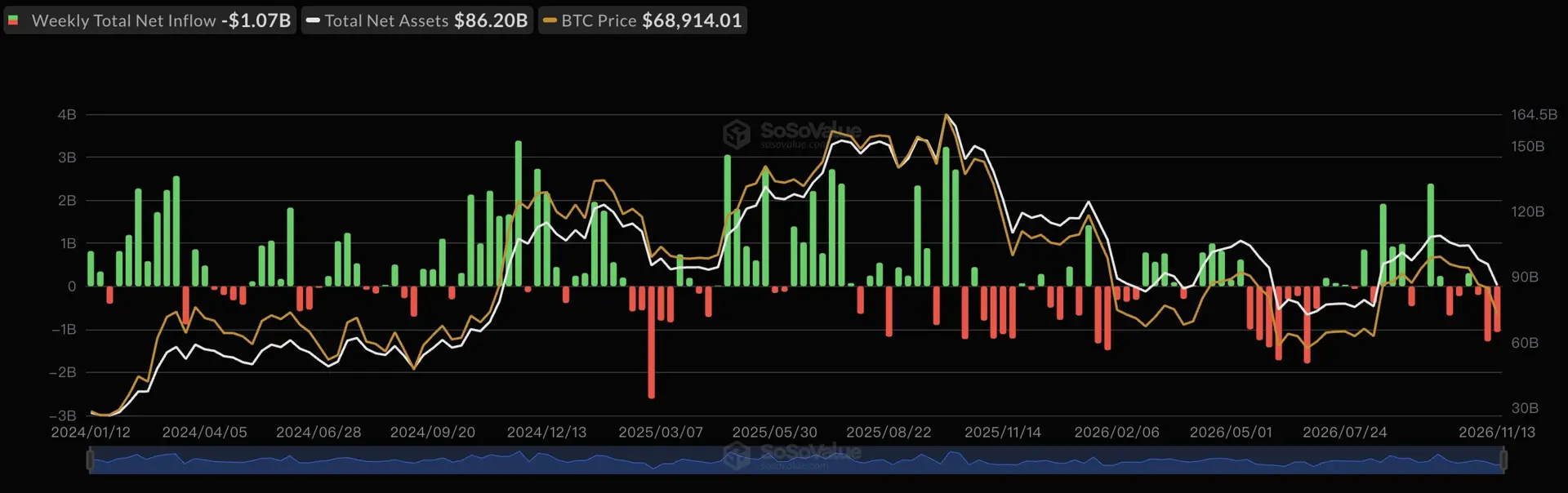
- US spot bitcoin ETFs saw net outflows of $430.2 million on 5 November 2026, as reported by Kitco, partly due to FUD.
- Recognising FUD helps investors avoid panic selling and make more informed decisions.
FUD stands for ‘fear, uncertainty, and doubt’ and refers to negative or misleading information that spreads panic in cryptocurrency markets. In crypto, FUD is often used to manipulate investor sentiment and trigger rapid price swings.
FUD is a common term in cryptocurrency communities and can affect both new and experienced investors. Understanding what FUD means, how it spreads, and its effects on the market helps you make better decisions and avoid emotional trading. This guide explains FUD’s definition, examples, impact, and practical steps to recognise and respond to it.
What is FUD in crypto?
FUD in crypto means ‘fear, uncertainty, and doubt,’ describing the spread of negative, misleading or exaggerated information that unsettles investors. The aim is often to provoke panic, encourage selling and drive down prices, even when the underlying fundamentals have not changed.
FUD can appear as rumours, sensational headlines or social media posts that question the security, legality or future of a cryptocurrency or exchange. It is sometimes spread deliberately by competitors or traders hoping to profit from falling prices. Understanding FUD is important for anyone involved in crypto, as it can trigger rapid market reactions and affect your investment decisions.
How does FUD affect crypto prices and investor behaviour?
FUD can trigger sharp declines in crypto prices by causing investors to panic and sell their holdings. When negative news spreads, traders often react emotionally, fearing further losses and rushing to exit their positions.
This reaction can set off a chain of events: initial sell-offs push prices lower, which then prompts more investors to sell, amplifying the drop. Even if the information is untrue or exaggerated, the effect on market sentiment can be powerful. Some traders and market makers may use the opportunity to buy assets at lower prices, while others wait for stability before re-entering the market.
- Panic selling. Investors rush to liquidate assets, fearing further losses.
- Market volatility. Prices swing sharply as large numbers of traders react at once.
- Bearish sentiment. Widespread fear shifts market outlook from optimism to caution.
- Buy opportunities. Contrarian investors may see FUD as a chance to buy at lower prices.
What are the most common sources and examples of FUD?
FUD in crypto often originates from news reports, social media posts, influential personalities or official statements that cast doubt on a project or the wider market. These sources may highlight security breaches, regulatory threats or technical problems, even if the facts are incomplete or speculative.
Social media platforms, forums and messaging apps can amplify FUD rapidly, sometimes leading to market moves within hours. High-profile figures or companies may also respond publicly to counteract false claims, as seen in recent news about Binance and Tether.
Why do people spread FUD in crypto?
People spread FUD in crypto to influence prices, undermine competitors, or attract attention to their own interests. Some traders use FUD to create buying opportunities by driving prices down temporarily.
- Market manipulation. Traders or groups spread negative rumours to trigger panic selling and buy assets cheaply.
- Competitive tactics. Rival projects or companies highlight problems in others to attract users or investors.
- Personal gain. Influencers or media outlets may exaggerate news for more views, clicks or engagement.
- Emotional reaction. Well-meaning but uninformed community members may share unverified news out of genuine concern.
Understanding these motives helps you question the intent behind negative news and avoid knee-jerk reactions based on FUD.
How can you recognise FUD?
You can recognise FUD by looking for news or statements that use strong emotional language, lack solid evidence or appear designed to provoke fear. FUD often spreads quickly on social media and is repeated without verification.
- Sensational headlines. Stories that use words like ‘collapse,’ ‘hack,’ or ‘ban’ without clear facts.
- Anonymous sources. Claims based on unnamed insiders or unverified leaks.
- Repetition. The same negative message shared across multiple platforms in a short time.
- Lack of detail. Vague statements without supporting data or official confirmation.
Cross-checking news with reputable sources and official statements can help you separate genuine risks from FUD. Guides such as best crypto trading course to master cryptocurrency investing often teach how to spot and manage FUD.
What should you do when you encounter FUD?
When you encounter FUD, pause and verify the information before making trading decisions. Reacting emotionally to panic-driven news can lead to unnecessary losses.
- Check the source. Look for official announcements or reports from trusted platforms.
- Wait for confirmation. Give time for facts to emerge before acting.
- Assess fundamentals. Review whether the news truly affects the long-term value of your investment.
- Avoid herd behaviour. Do not follow the crowd into panic selling without your own research.
- Educate yourself. Use resources like understanding the process of ICO and how to develop a cryptocurrency token to build confidence.
Remaining calm and informed helps you avoid costly mistakes during periods of heightened fear and volatility.
FUD vs FOMO: what is the difference?
FUD and FOMO are both psychological forces in crypto trading, but they work in opposite directions. FUD stands for ‘fear, uncertainty, and doubt,’ causing investors to sell, while FOMO means ‘fear of missing out,’ leading to buying sprees.
Both FUD and FOMO can lead to irrational decisions. Learning to spot these patterns is a key skill for anyone trading or investing in crypto.
How does FUD relate to recent events in crypto?
Recent crypto events show how FUD can drive market moves, even among experienced traders. In late October 2026, a security scare at Binance led to widespread panic and a sharp fall in Bitcoin’s price.
The news prompted several firms to freeze billions in funds, and Bitcoin dropped below $78,000 on 30 October 2026, according to CNBC. Similarly, negative sentiment led to net outflows of $430.2 million from US spot bitcoin ETFs on 5 November 2026, as reported by Kitco. These examples show how quickly FUD can spread and affect both prices and investor confidence, even when the full facts are not yet known.
For more on how FUD shapes market reactions, see Binance users trigger $600M net outflow amid FUD concerns and Bitcoin market cap sink below $1Trn as market contends with Elon Musk’s FUD.
Frequently asked questions
FUD stands for ‘fear, uncertainty, and doubt’ in crypto, and it refers to negative or misleading information that spreads panic among investors and affects market sentiment.
FUD can cause you to sell your crypto holdings out of fear, often leading to losses if the negative news is exaggerated or false, so it is important to verify information before acting.
Not all negative news is FUD; genuine risks and factual reports are important, but FUD refers specifically to misleading or exaggerated claims that aim to provoke fear and uncertainty.
Yes, FUD can create buying opportunities in crypto because panic selling often pushes prices below their fair value. Contrarian investors sometimes buy during periods of widespread fear, expecting a rebound once the panic subsides and the market corrects itself.
You can protect yourself from FUD by verifying news from reputable sources, focusing on fundamentals, and avoiding emotional decisions based on rumours or social media hype.
The difference between FUD and FOMO in crypto is that FUD causes fear and selling, leading to falling prices, while FOMO, or ‘fear of missing out,’ drives investors to buy quickly, often creating price surges and speculative bubbles.
This article is for information only and is not financial advice. Cryptocurrencies carry risk. Do your own research before buying or using any digital asset.
References
- Ledger, FUD Meaning In Crypto | FUD Definition Crypto | Ledger Academy
- CNBC, Bitcoin tumbles below $78,000, extending losses as Binance security scare rattles crypto markets - CNBC (30 October 2026)
- Kitco, Crypto SWOT: U.S. spot bitcoin ETFs saw $430.2 million in net outflows on November 5 - Kitco (9 November 2026)
- OSL, Understanding Crypto Slang: FUD, FOMO, and REKT Explained
Written by:
Review & Fact Check by: 
Read more about our editorial guidelines & standards here.
Follow us on Google News
Get the latest crypto insights and updates.
Related Posts
Best Crypto Exchanges in the USA
November 15, 2026 · 7 Min
What Is RSI? The Relative Strength Index Explained for Crypto Traders
November 15, 2026 · 9 Min
How to Buy Crypto With a Credit or Debit Card
November 15, 2026 · 8 Min