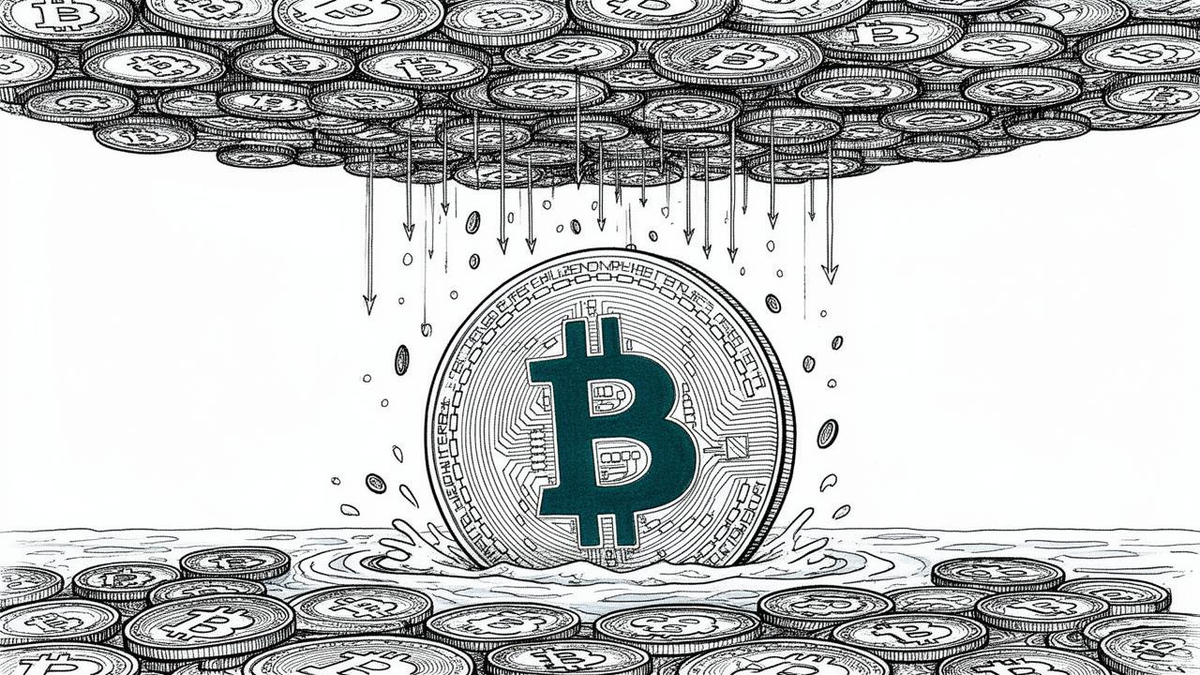
This is part one of a two part series analyzing issues impacting the bitcoin ATM industry and how it can respond.
It's no surprise that bitcoin ATMs have been under major stress lately. Under pressure from statewide and local bans since June 2026, the industry has seen massive net changes. In June, more than 10,200 ATMs were taken offline, followed by 114 in August and 774 in September, according to data from Coin ATM Radar.
What's going on?
First off, the level of complaints surrounding bitcoin ATMs has been growing. The FBI announced in 2026 that there were a total of 13,460 complaints of crypto ATM fraud across all of the U.S. and U.S. territories in 2025.
These complaints alleged a loss of $388,981,267 in total. Of course, these are only reported losses, so the total number is likely much higher.
These losses are driven by fraudsters who target victims with a variety of scams. In a typical scam, a fraudster would call a victim and pretend to be law enforcement and demand payment for missed jury duty or some other alleged infraction via a bitcoin ATM. They try to create a state of panic in the victim so they don't think critically about the situation.
The fraudster directs the victim to send the funds to a crypto wallet under their control and will tell them to ignore any anti-fraud warnings. Once the cash is deposited, there are often little recourse for victims, until recently.
How have governments responded?
Local and state governments have taken several types of stances regarding bitcoin ATMs.
There are four states that have banned crypto ATMs outright: Indiana, Vermont, Minnesota, and Tennessee. In addition, Hawaii has banned cash-accepting bitcoin ATMs alongside cashiers accepting payment for cryptocurrency. However, it still allows customers to sell cryptocurrency at these ATMs.
Some localities have also banned bitcoin ATMs, such as Jackson, Michigan, and Albuquerque, New Mexico, while others have simply placed warning signs on crypto ATMs, such as in San Diego.
Industry experts respond
Jorge Fernandez, industry veteran and managing director of Magnus Consulting Inc. and consultant for Bitstop, said in a video interview he doesn't think this should have come as a surprise to the industry.
"This industry was a lot of energetic people with no experience. What is happening is not necessarily a surprise to adults in the industry," he said.
He noted as a veteran in the independent ATM space, he remembered when there were major efforts to regulate that industry out of existence, and it was only through industry associations that it was able to survive. The bitcoin ATM industry had nothing like that.
He said that in light of scams, bitcoin ATMs have become the "lightning rod," especially for the AARP, which "wanted to make an example out of our industry."
Furthermore, Paul Tarantino, CEO of Byte Federal, said in an email interview that, first, the industry has to be honest about why this is happening. "Elder fraud is real and it's growing fast. Americans over 60 reported $7.7 billion in fraud losses to the FBI last year, up nearly 60% from 2024. Regulators are responding to real harm, and some operators have treated compliance as a box to check. We should take that seriously."
Both Tarantino and Fernandez pointed out that although bitcoin ATMs are under fire now, they are not the only or even the largest form of scams
"Outright bans simply move the scam to another channel, whether that's gift cards, wire transfers or bank apps, and the victim is no safer."
In part two, we will look at what the industry can do to respond to this trend.