Two amendments that would bring native institutional lending to the XRP Ledger are gaining ground among trusted validators, though neither has yet cleared the supermajority needed to go live.
As of Nov. 23, the SingleAssetVault proposal, designated XLS-65, held 25 votes and the LendingProtocol proposal, XLS-66, held 24 within the 35-validator reference set tracked by the network's amendment dashboard. A third measure, LendingProtocolV1_1, also stood at 24. Activation requires backing from at least 29 validators -- just over 80% -- sustained for two consecutive weeks, so all three remain short of the bar.
The latest tallies represent an improvement over the Nov. 8 snapshot and over October, when support for the lending package was further from the threshold. Voting is continuous, and the effective threshold can shift in real time with the number of validators the network hears from, so the reference-set figures are a guide rather than a fixed count.
Note: Figures reflect the 35-validator reference set as of Nov. 23. Live thresholds may vary with the number of validators participating.
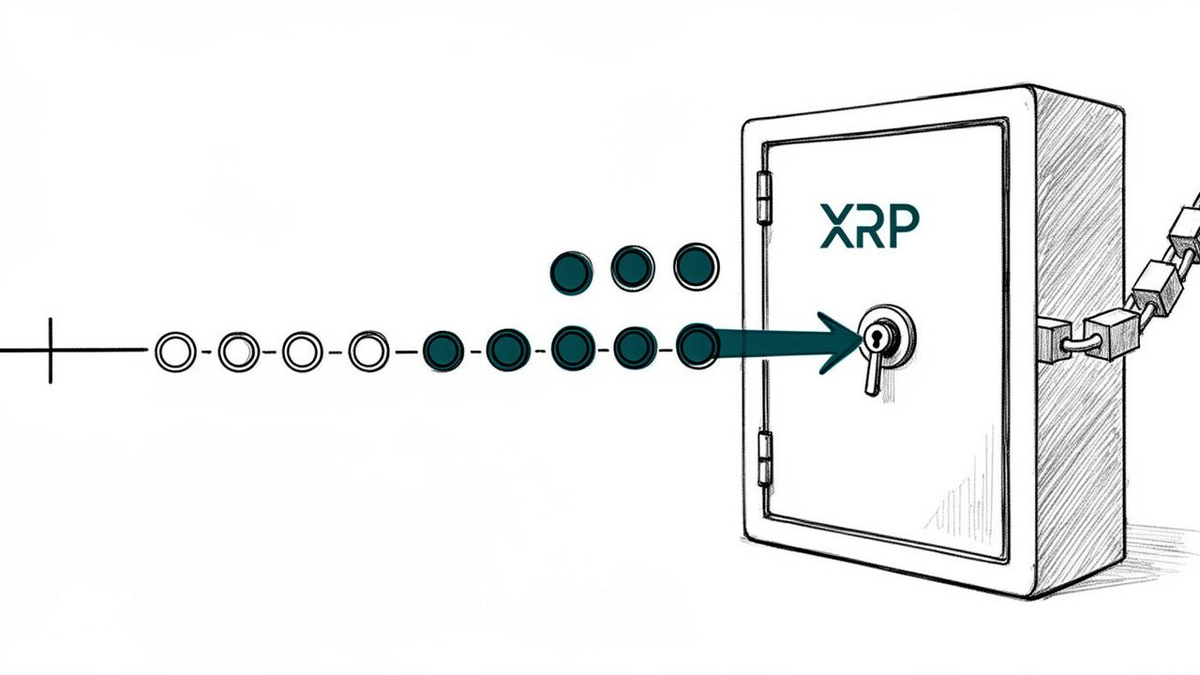
Together, the two core amendments would let depositors place XRP or selected issued assets into on-chain vaults and receive tokenized shares reflecting their stake. Brokers could then draw on those pooled funds to write fixed-term loans, with origination, repayment and any default recorded directly on the ledger rather than in off-chain systems.
The V1_1 revision adds closed-ended vaults and changes how interest is booked: lenders would recognize interest as income when payments arrive, not when a loan is created. That treatment is aimed at giving institutions a clearer view of credit exposure inside the XRPL system.
A Different Default Model One design choice stands out. The proposed protocol does not automatically liquidate collateral when a borrower misses a payment. Instead, the initial framework leans on off-chain underwriting, with optional first-loss capital available to absorb losses. That structure is meant to fit the risk practices of institutional lenders, which generally prefer negotiated workouts to forced sales of collateral.
The amendments would supply the technical rails for lending activity already under development around Ripple's RLUSD stablecoin. The San Francisco-based blockchain firm, which develops the XRP Ledger, has partnered with Clearpool and Cicada Partners on an institutional credit market for the network. Clearpool would contribute decentralized lending infrastructure, while Cicada would handle borrower assessment and credit-risk management.
Ripple has also described how institutions could tap pooled digital assets for short-term financing while tracking repayment on-chain, and it has positioned that model alongside its RLUSD settlement work with Arf, which is intended to connect stablecoin liquidity to cross-border payment networks.
Timing Pressure Calendar pressure is building. With roughly five weeks left in 2026, the amendments need not only additional votes but also a steady supermajority held across a full two-week window. A late-year activation would require support to firm up quickly and stay there.
The XRP Ledger is an open-source network best known for payments and asset transfers, and protocol changes take effect only after validators signal approval. Confidential transfers are also on the year-end agenda, though the dashboard does not publish a detailed vote breakdown for that proposal.
What It Means for the Market For XRP holders and XRPL-based projects, activation would mark the network's first native credit primitive, potentially widening its role beyond settlement into lending and yield-bearing deposits. It would also give Ripple a closer tie between its stablecoin strategy and on-chain credit markets, an area where competing networks have already attracted institutional pilots.
The absence of automatic liquidation could cut both ways: it may make the product more palatable to regulated lenders, but it also places more weight on underwriting quality and first-loss buffers if defaults rise. Until the validator count reaches the threshold and holds it, the lending system remains a proposal rather than a live market.
Once added, BigGo Finance appears first in Google Search Top Stories, so you get the broadest, most up-to-the-minute, and most comprehensive global financial news first.