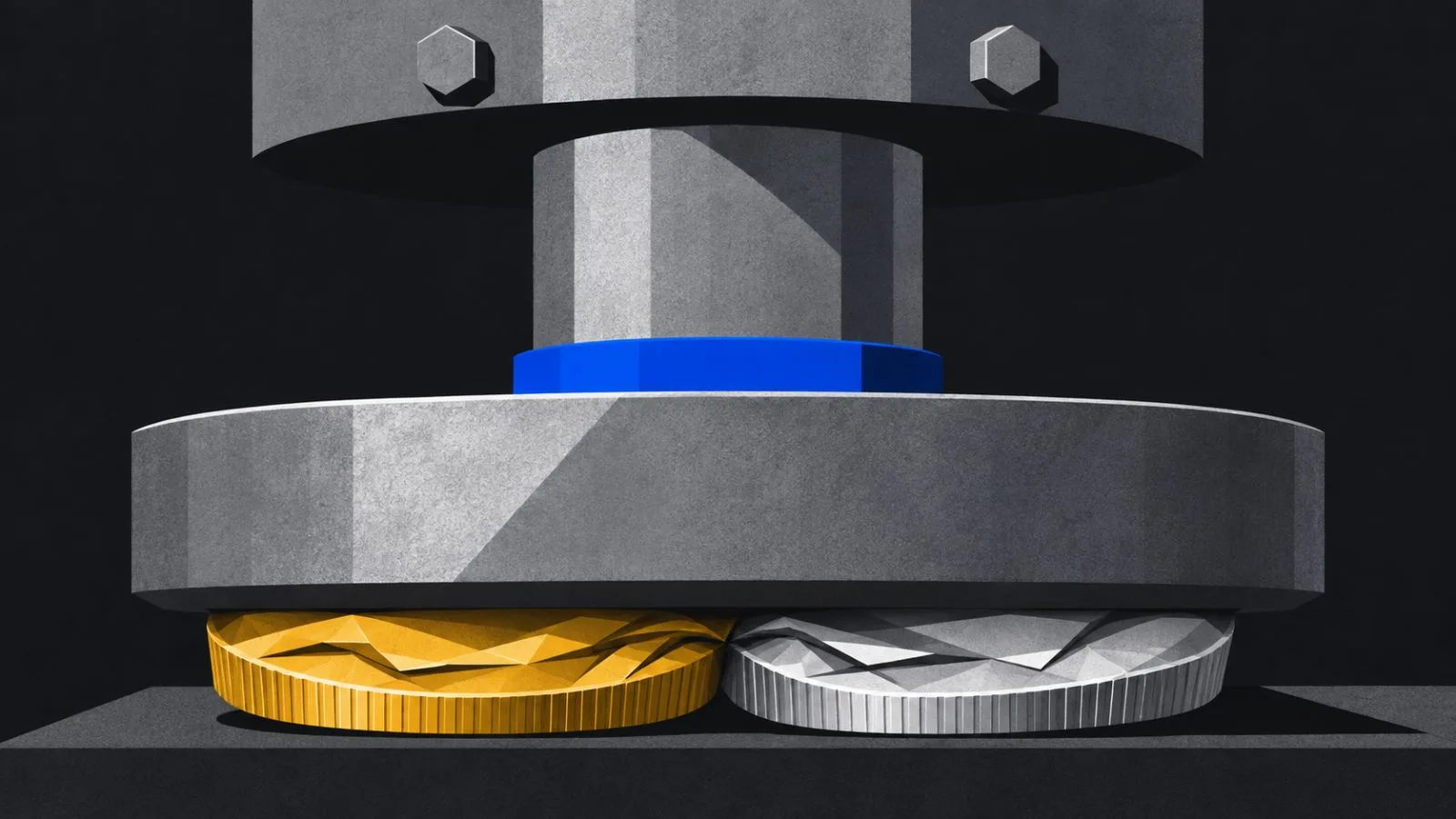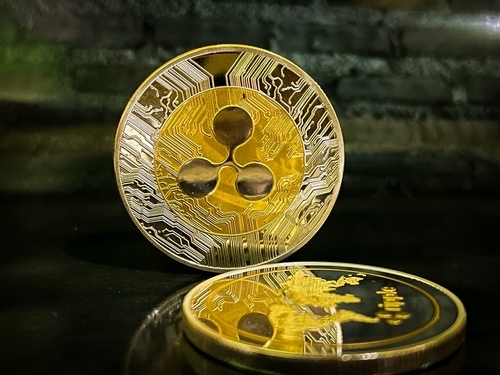
XRP experienced a significant decline in 2026, driven not by a single factor, but rather by the combined impact of macroeconomic monetary tightening, regulatory and legislative setbacks, and XRP's own fundamentals.
Ripple Labs unlocks a fixed amount of approximately 1 billion XRP into the circulating market each month. In the absence of strong retail and institutional buying to absorb this volume, it exerts persistent supply overhang pressure on secondary market prices. In addition, the gap between enterprise partnerships and actual token demand makes it difficult for positive partnership developments to translate 100% into spot buying demand for XRP.
Although Ripple established a regulatory compliance foundation after concluding its protracted lawsuit with the SEC, the U.S. Congressional Clarity Act, on which the market had pinned high hopes, suffered setbacks in the Senate. Following the November 2026 U.S. midterm elections in which Democrats gained control of both chambers of Congress, lawmakers are set to launch rigorous investigations into the nexus of political, business, and crypto interests, exacerbating institutional investors' wait-and-see stance regarding crypto asset compliance.
The latest U.S. October CPI data broadly exceeded market expectations, highlighting strong inflation stickiness. Rising inflation prompted hawkish remarks from several Federal Reserve officials, including Christopher Waller and Lorie Logan, who even advocated resuming rate hikes in December or keeping interest rates elevated. The U.S. 2-year Treasury yield surged to around 4.69%, significantly tightening global market liquidity and directly weighing on high-beta virtual assets, including XRP.