PiCK
Summary
- Rep. Yoo Dong-soo said he is aware of industry concerns over delays to the Digital Asset Basic Act and expects the government’s proposal to be released soon.
- The bill is intended to establish a regulatory framework for the broader digital-asset industry, including the issuance and distribution of stablecoins, and he said balancing financial stability with industry development will be key.
- Yoo said South Korea needs to move quickly to establish a legal framework for won-based stablecoins and build the institutional foundation needed to protect monetary sovereignty and strengthen the competitiveness of the domestic digital-finance industry.
Forecast Trend Report by Period
Yoo Dong-soo, chair of the National Assembly’s Political Affairs Committee and a lawmaker from the Democratic Party, said he is aware of industry concerns over delays in the Digital Asset Basic Act and expects the government to release its proposal soon.
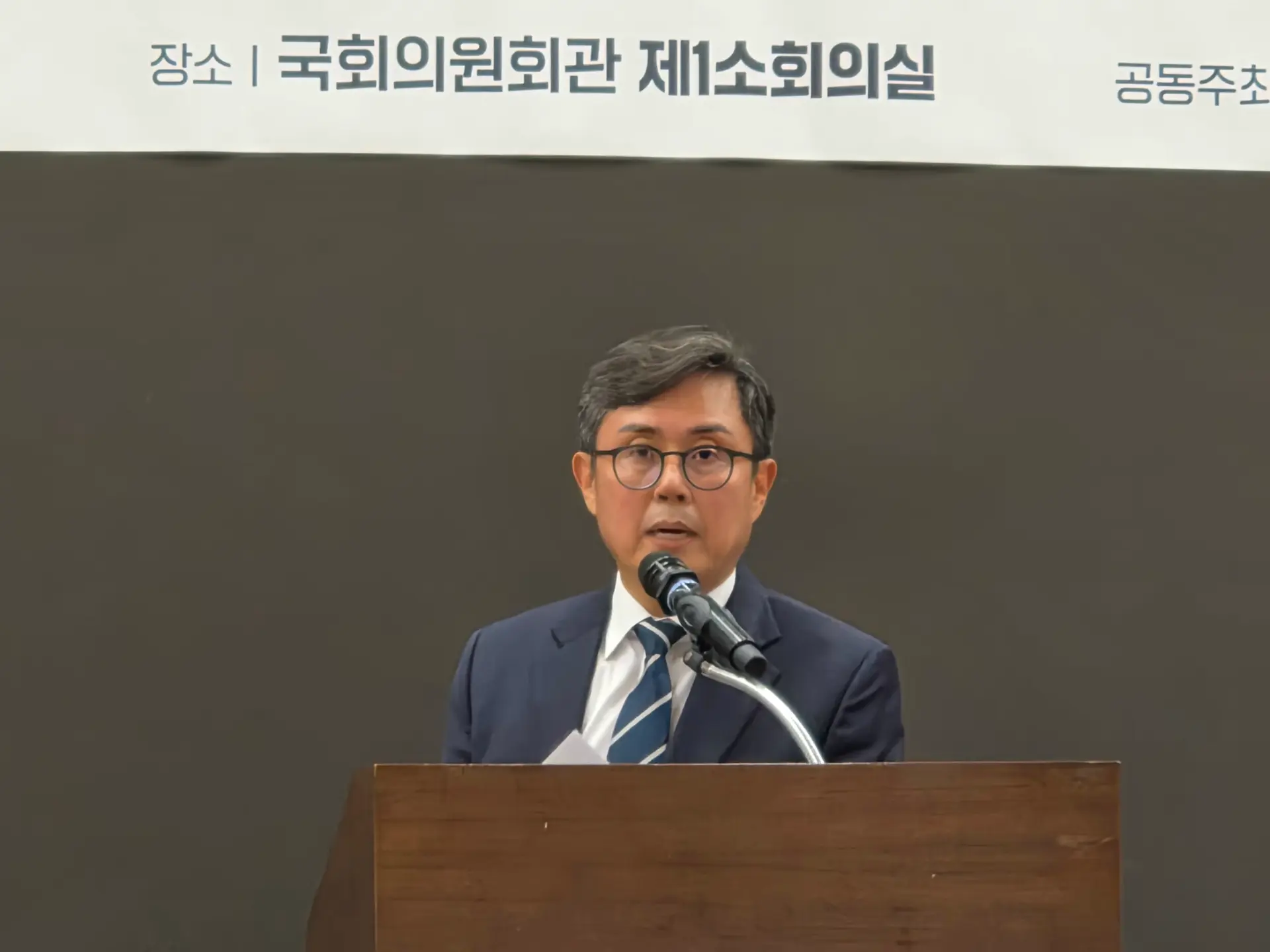
Speaking at a policy seminar on November 5 marking the publication of “The Future of Money, the Stablecoin Revolution” at the National Assembly Members’ Office Building in Seoul’s Yeouido district, Yoo said he understands the industry’s frustration over the delayed introduction of the Digital Asset Basic Act. He added that he expects the government’s proposal to be unveiled in the near term.
The Digital Asset Basic Act is intended to establish a regulatory framework for the broader digital-asset industry, including the issuance and distribution of stablecoins. Legislative discussions, however, have been delayed by differences over who should be allowed to issue stablecoins and how they should be supervised.
Yoo stressed that striking a balance between financial stability and industry development will be crucial in drafting the bill. Handling money is among the most difficult and specialized policy areas, he said. The toughest part of the legislation, he added, will be reconciling risk and expertise, as well as regulation and industrial growth.
He also pointed to the need to move quickly on institutionalizing won-based stablecoins. With dollar-backed stablecoins leading the global market, South Korea needs a response to protect its monetary sovereignty, he said. He added that a key challenge will be whether the won’s share of the global currency market can also be maintained in the digital-currency market.
Yoo said he envisions a future in which stablecoins help South Korea, which he described as leading a second-generation cultural revolution built on K-culture, expand globally. Stablecoins should be brought under a legal framework quickly, he said.
He added that while policymakers must take into account monetary-sovereignty issues arising from the spread of digital currencies, they also need to build an institutional foundation that can strengthen the competitiveness of South Korea’s domestic digital-finance industry.
Suehyeon Lee