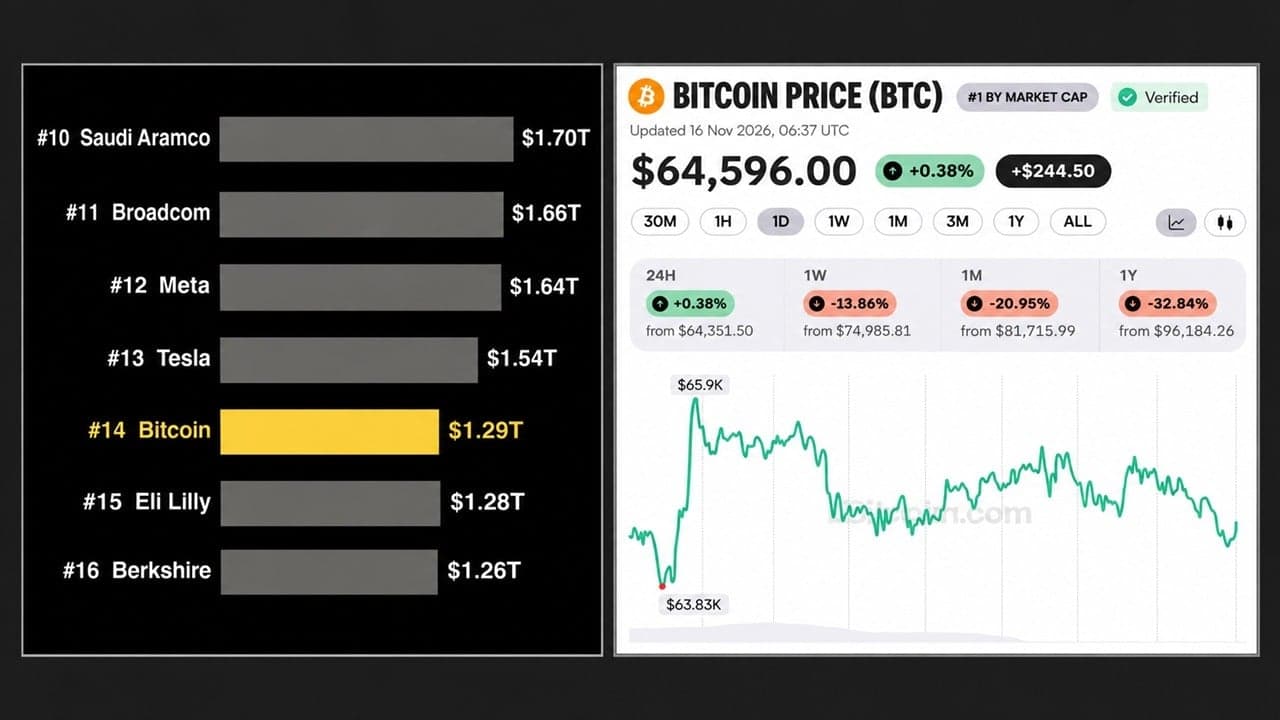
Bitcoin’s largest recent investors are facing nearly $8 billion in unrealized losses, the highest level recorded for short-term holder whales, as the cryptocurrency’s prolonged market correction erodes gains accumulated earlier this year. According to CryptoQuant analyst Darkfost, who published the findings on November 16, 2026, the losses are concentrated among large investors who accumulated Bitcoin within approximately the past 155 days. The figure represents the difference between the estimated acquisition cost and current market value of Bitcoin held at a loss, rather than losses realized through completed sales.
The development marks a reversal from September, when short-term holder whales recorded approximately $9.07 billion in unrealized profits, their highest level in CryptoQuant’s historical dataset. Despite the deterioration in profitability, blockchain data indicates that most recently accumulated whale holdings have not been transferred to exchanges in volumes consistent with widespread capitulation.
Whale Profitability Reverses Following Bitcoin’s 30% Correction
Bitcoin increased more than 51% from its June levels, attracting substantial investment from large holders seeking exposure to the cryptocurrency’s upward momentum. However, the market entered a correction beginning in October, with prices declining approximately 30% from their previous highs. The reversal has disproportionately affected investors who accumulated Bitcoin during the June-to-September rally, leaving many positions valued below their estimated acquisition costs. CryptoQuant classifies short-term holders using a holding-period threshold of approximately 155 days, while whale classifications identify entities controlling substantial Bitcoin balances.
Darkfost’s research indicates that unrealized losses for this cohort have reached levels not previously observed in the tracked historical series. However, the estimate carries methodological limitations. Transfers associated with the recent Binance security breach or internal unspent transaction output consolidations may influence how holdings are classified. Consequently, the $8 billion figure should be understood as an on-chain estimate rather than an independently audited calculation of investors’ financial losses.
Binance Exchange Inflows Rise Without Clear Signs of Capitulation
Despite the record unrealized losses, whale deposits to cryptocurrency exchanges have increased only moderately relative to previous periods of heightened selling pressure. According to Darkfost, the average monthly inflow measure for short-term holder whales transferring Bitcoin to Binance increased from approximately 1,200 BTC to 2,100 BTC. Several individual sessions recorded transfers exceeding 4,000–5,000 BTC, while November 3 saw a sharper spike above 9,000 BTC. Nevertheless, these inflows remained below comparable levels observed during June and February 2026. The distinction is significant because transfers to exchanges may indicate preparation to trade, but do not necessarily establish that Bitcoin has been sold.
Lower exchange inflows relative to unrealized losses suggest many recent large holders continue retaining their positions despite substantial paper losses. However, continued holding does not guarantee future price stability. Further declines could increase selling incentives, particularly among investors facing liquidity needs or leveraged obligations. The findings highlight a divergence between deteriorating whale profitability and comparatively restrained exchange-transfer activity. For market participants, future changes in whale exchange inflows, realized losses and Bitcoin’s price relative to short-term holders’ estimated cost basis will provide additional evidence of whether the correction is developing into broader distribution.