A Bitcoin address that had sat untouched since February 2011 moved 75 BTC on Nov. 17, a transfer worth about $4.87 million at the time and one that undercuts a sweeping New York lawsuit arguing that long-dormant wallets amount to abandoned property.
Galaxy Research, which tracked the movement, said the coins were spent in block 976,209 and the sender paid only 399 satoshis in network fees, roughly $0.26. The originating address, 1ALpEWtXApR19hLXvcG8NfkPyGsUMhFPMS, was first funded on Feb. 8, 2011, when Bitcoin changed hands for about $0.90. That put the original value of the 75 coins at roughly $67.50. At a reported price of $64,935 per coin, the position had gained more than 7 million percent over nearly 16 years.
The wallet is one of 39,069 addresses named in a suit filed in New York Supreme Court, where on-chain records tag it as Noah Doe #3409. The plaintiffs, listed as ABC Company, XYZ Company and the pseudonymous Noah Doe, are seeking title to roughly 3.8 million BTC, a stash valued at about $250 billion.
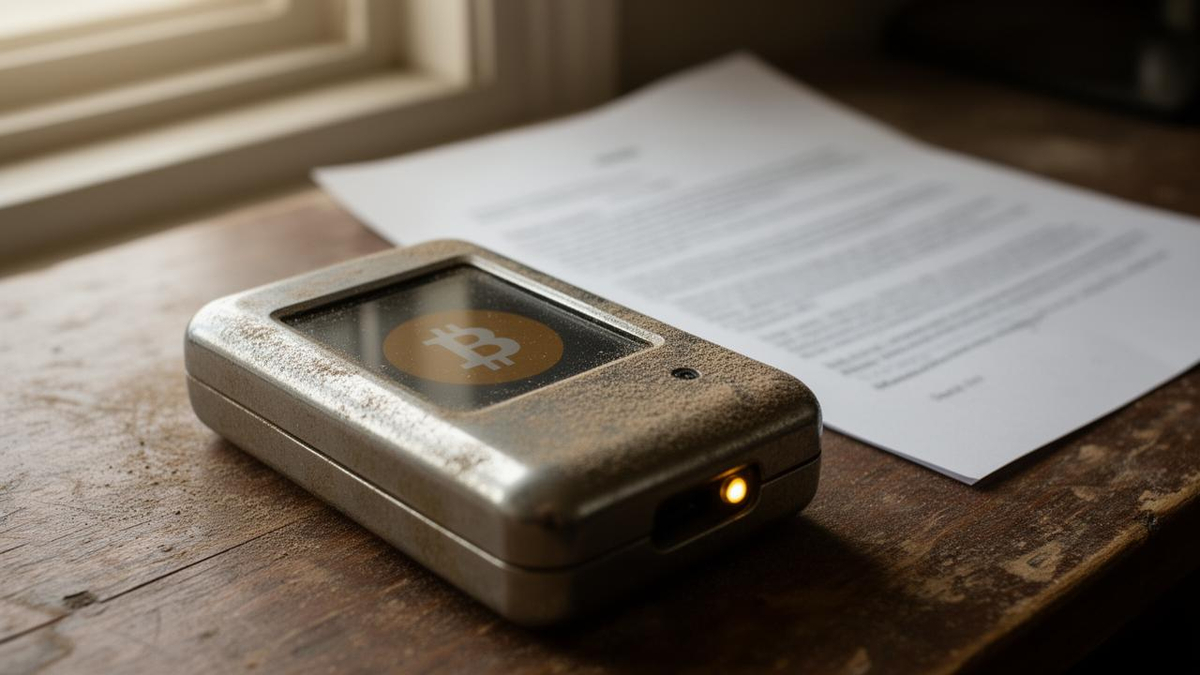
Their theory rests on Section 7-B of New York's Personal Property Law, which they read as reaching Bitcoin wallets that have been inactive for more than five years. According to the filings, the plaintiffs used an algorithm to identify dormant addresses, copied the records onto USB drives and handed the devices to the New York Police Department. They then sent small blockchain transactions carrying embedded messages to notify the wallet holders, and asked the court to recognize their ownership once the statutory waiting period runs out. The effort is tied to Salomon Brothers Strategic Advisors.
Note: Values are based on Galaxy Research's reading of on-chain data and the reported Bitcoin price at the time of the transfer.
The case has drawn resistance from industry organizations that question whether a property statute written for physical goods can be stretched to cover blockchain records. At a Sept. 8 hearing, the Bitcoin Policy Institute asked to join the proceedings as a defendant, and The Digital Chamber sought to weigh in through an amicus brief challenging the plaintiffs' interpretation of the law.
Will Owens, an analyst at Galaxy Research, said the arguments assembled by The Digital Chamber were persuasive and that the judge appeared open to them. Alex Thorn, the firm's research president, said in September that the statute offers protection against ownership claims built on Noah Doe-style inactivity.
Critics of the suit argue that Section 7-B was drafted for tangible items that can be located and physically secured, making claims over blockchain entries dubious when the claimants hold no private keys.
The Nov. 17 transfer is not the only evidence arrayed against the abandonment theory. Galaxy Research said other wallets named in the lawsuit have also moved coins during 2026, showing that years of silence do not prove an owner has lost access or given up the assets. The same firm has described the case as an anonymous bid to assert legal ownership over coins that may have belonged to Bitcoin's pseudonymous creator, Satoshi Nakamoto.
The broader ownership dispute remains unresolved. For the market, the practical significance lies less in the size of the transfer than in what it demonstrates: dormant supply can return to circulation at any time, and legal theories that treat silence as forfeiture face a growing record of counterexamples.
Once added, BigGo Finance appears first in Google Search Top Stories, so you get the broadest, most up-to-the-minute, and most comprehensive global financial news first.