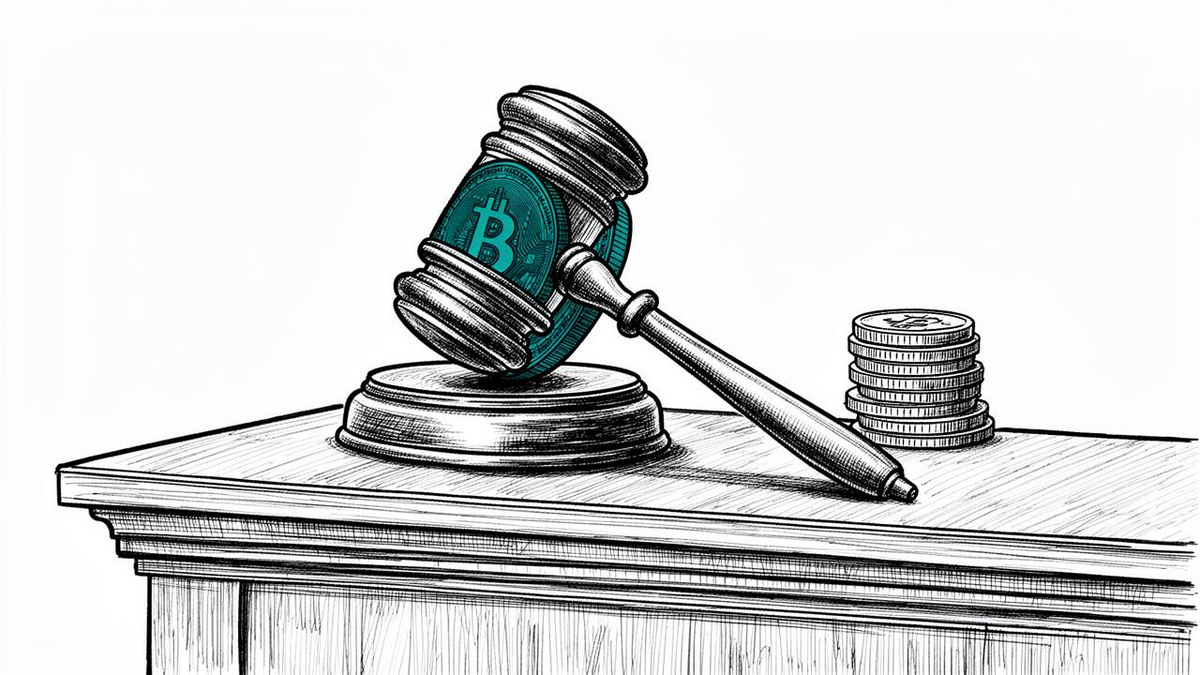
A judge in Leipzig has proposed halting the money laundering trial of the alleged operator of the defunct piracy site Movie2k.to on the condition that he hands over 40,000 bitcoin, a stake worth roughly $2.56 billion at current prices.
Presiding Judge Karsten Nickel laid out the offer in court, according to public broadcaster MDR. Under the terms, the defendant would also pay €38 million (approximately $41.7 million) to compensate potential victims, including holders of film rights, and would give up any claim to the roughly €2.64 billion (approximately $2.9 billion) that the state of Saxony already collected by selling seized coins in 2024.
Prosecutors believe the main defendant, identified in public reports as Josef F., still controls about 56,000 bitcoin. If the transfer goes through, he would keep some 16,000 coins, valued at around $1.02 billion, leaving him a billionaire even after settling, prosecutors said.
Note: Values reflect bitcoin prices cited in the court proceedings.
The case dates to Movie2k.to's run between 2008 and 2013, when prosecutors say it ranked among Germany's most-visited illegal streaming portals. Authorities allege its operators earned millions from advertising and plowed the proceeds into bitcoin at prices far below today's levels. The main defendant faces commercial money laundering charges in 146 counts; about 220,000 copyright infringement counts have been ruled time-barred and dropped from the proceedings. A Polish co-defendant faces 46 money laundering counts and serious tax evasion charges, and prosecutors say he was paid in bitcoin for his work on the site in 2013. Nickel has acknowledged that tracing the origin of all the funds could prove difficult because legally and illegally obtained coins may be commingled.
The dispute has already produced one of Germany's largest crypto disposals. After the suspect was arrested abroad in May 2023 and held in pretrial detention in Saxony until January 2024, he voluntarily moved about 49,858 bitcoin to wallets controlled by the Federal Criminal Police Office on Jan. 16, 2024, when the coins were worth around €1.96 billion (approximately $2.2 billion). Saxony then sold the seized holdings between June 19 and July 12, 2024, raising about €2.64 billion; prosecutors described the quick exit as prudent given bitcoin's volatility. The proceeds sit with the state but belong to the defendant until a final ruling.
A co-defendant has been offered separate terms involving 600 bitcoin and €17 million (approximately $18.7 million), and her lawyer is reportedly open to the arrangement. Counsel for the main defendant said the offer is still under review. If both sides accept, the trial could wrap up before the end of the year; otherwise the proceedings will continue, including a possible confiscation ruling on the coins already sold and any remaining crypto assets. The next hearing is set for Dec. 3, when the parties are expected to report their positions.
For the crypto market, the proposal matters less for the coins themselves than for what it signals about how German courts handle large illicit bitcoin holdings. The 2024 sale of nearly 50,000 coins drew heavy attention from traders, and any further state disposal would add another visible supply overhang to a market that has repeatedly reacted to government-linked wallets. The settlement structure also highlights a legal gray zone: authorities are effectively negotiating over assets whose lawful ownership has not been finally determined, while the defendant's remaining holdings could keep him among the largest individual bitcoin owners even after a deal.
Once added, BigGo Finance appears first in Google Search Top Stories, so you get the broadest, most up-to-the-minute, and most comprehensive global financial news first.