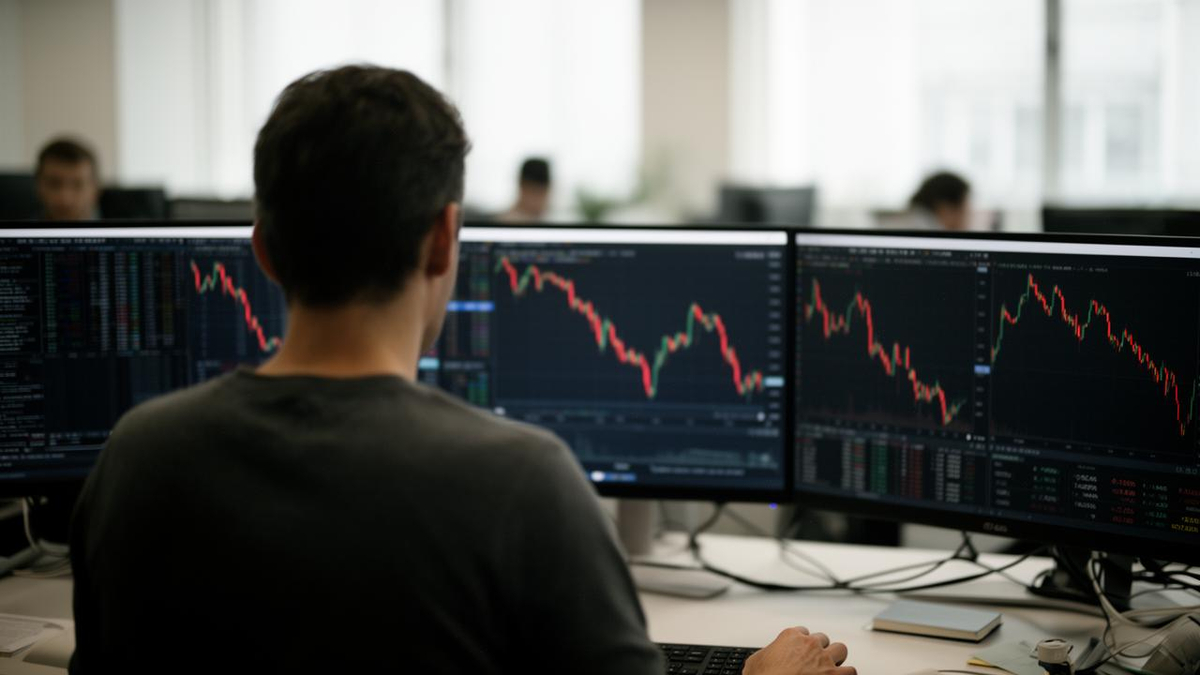
The shift comes amid renewed pressure on Bitcoin mining profitability. Bitcoin declined 12.9% in the week ending November 16, according to Hashrate Index, adding to the financial challenges facing miners as operating costs and infrastructure requirements remain significant.
MARA Sells More Than 40,000 Bitcoin and Repays Debt
MARA's regulatory filing shows the company sold 26,984 BTC for approximately $1.9 billion through September 2026. Following the end of the quarter, it disposed of another 13,597 BTC worth $1.1 billion.
Of the proceeds from its post-quarter sales, MARA used $750 million to repay Bitcoin-backed loans. The transactions reflect the company's need to strengthen liquidity while financing its broader operations and expansion plans.
Bitcoin sales also significantly exceeded the company's mining output during the third quarter. Blockhead reported that MARA sold 17,488 BTC during the period, nearly eight times the 2,247 BTC it mined. At the end of September, the company retained 34,012 BTC.
The sales indicate that MARA's Bitcoin liquidation strategy extends beyond funding AI infrastructure, also serving its debt management and operational requirements.
Riot Allocates $1.5 Billion in Bitcoin Sales to Data Centers
Riot Platforms reported selling approximately 20,264 BTC for $1.5 billion through September, with the proceeds primarily directed toward data center development. The company also repaid $200 million in credit facilities.
Riot has secured leases covering 1,151 megawatts (MW) of power capacity, which the company expects to generate approximately $38 billion in future revenue. Its Corsicana project accounts for $28 billion of that projected amount over 15 years.
Despite its expansion into AI infrastructure, Bitcoin mining remains Riot's largest revenue contributor. During the third quarter, the company generated $116 million from mining operations, compared with $18.4 million from its data center business.
Bernstein Sees Potential Undervaluation in AI Data Center Leases
Research firm Bernstein believes the AI infrastructure lease portfolios of Riot and TeraWulf carry greater implied value than their current market valuations reflect.
According to Bernstein's analysis, Riot trades at an estimated 50% discount to the implied value of its AI leases, while TeraWulf trades at a 22% discount. Bernstein assigned Riot a $30 price target, indicating potential upside of 76% based on its assessment.
The firm estimates Riot's lease portfolio is worth approximately $25.9 billion. TeraWulf, meanwhile, has already reported stronger contributions from its high-performance computing business, with quarterly revenue rising to $63 million from $7.2 million a year earlier.
However, these projected valuations depend on successful infrastructure development and tenants meeting their contractual payment obligations. Delays in construction or problems with tenant financing could affect the expected returns.
Rising Mining Costs Add Pressure to Bitcoin Miners
Economic conditions in the mining industry provide further context for the companies' strategic shift. CoinShares estimated that the weighted-average cash cost of producing one Bitcoin among listed miners reached $75,500 in the second quarter, excluding taxes. Bitcoin ended the same quarter at $58,400, although production costs vary between individual mining companies.
Mining revenue has also weakened. Hashrate Index data shows hashprice, a measure of daily mining revenue per unit of computing power, declined from $31.95 on November 9 to $30.45 per petahash per day on November 16.
Electricity remains a major expense. Research from Cambridge found that power accounts for more than 80% of miners' cash operating expenses, leaving mining businesses particularly exposed to energy costs and changes in Bitcoin revenue.
AI Expansion Introduces New Infrastructure and Financing Risks
Moving from Bitcoin mining to AI data center operations requires substantially higher capital investment. CoinShares estimates that AI infrastructure conversion costs range from $8 million to $15 million per MW, compared with approximately $700,000 to $1 million per MW for Bitcoin mining facilities.
Power availability presents another challenge. CoinShares identified 151 active data center restrictions across the United States and a grid connection queue totaling 2,600 GW, highlighting potential obstacles to bringing new facilities online.
Financing risks are also becoming more relevant as companies increase borrowing to support infrastructure development. The International Monetary Fund has warned that interconnected financing arrangements across the AI sector could spread financial losses if expected returns fail to materialize. The ability of data center tenants to meet their payment commitments remains another uncertainty.
Although large Bitcoin sales from mining companies could add selling pressure to the cryptocurrency market, corporate treasury activity has not moved uniformly in the same direction. Glassnode reported that other corporate Bitcoin treasury holders were net buyers in November.
The transition therefore presents a significant strategic change for MARA and Riot. By reducing their Bitcoin holdings and expanding into AI infrastructure, the companies may become less exposed to Bitcoin price fluctuations but more dependent on financing conditions, electricity infrastructure and the financial strength of their AI customers.
source: cryptopolitan
Writer: Ethan Collins
Crypto Journalist
Ethan Collins reports on developments across the cryptocurrency and blockchain sector. His work covers market movements, protocol updates, regulatory changes, and emerging trends in digital assets.
He focuses on presenting complex topics in a clear and accessible manner for a broad readership.
Check out other news and articles on Google News
Disclaimer:
The articles on Hokanews are here to keep you updated on the latest buzz in crypto, tech, and beyond—but they’re not financial advice. We’re sharing info, trends, and insights, not telling you to buy, sell, or invest. Always do your own homework before making any money moves.
Hokanews isn’t responsible for any losses, gains, or chaos that might happen if you act on what you read here. Investment decisions should come from your own research—and, ideally, guidance from a qualified financial advisor. Remember: crypto and tech move fast, info changes in a blink, and while we aim for accuracy, we can’t promise it’s 100% complete or up-to-date.