Summary
- Rep. Choi Eun-seok said greater institutional participation in the digital-asset market should be seen as a restructuring of the financial industry's structure and competitive landscape, requiring a policy direction that reflects the shift.
- He said the entry of institutional investors should serve as a catalyst for reviewing broader institutional changes across South Korea's financial industry and capital markets, including in asset tokenization, payments and custody.
- The seminar will discuss the opening of the corporate market, conditions for inflows of institutional capital, trust infrastructure, and policy tasks for South Korea's financial industry in response to global market changes, and Choi said the proposals would be reflected in legislative and policy discussions.
Forecast Trend Report by Period
Rep. Choi Eun-seok of the People Power Party said expanding institutional participation in the digital-asset market should be viewed as a structural change in the financial industry and matched with an appropriate policy response.
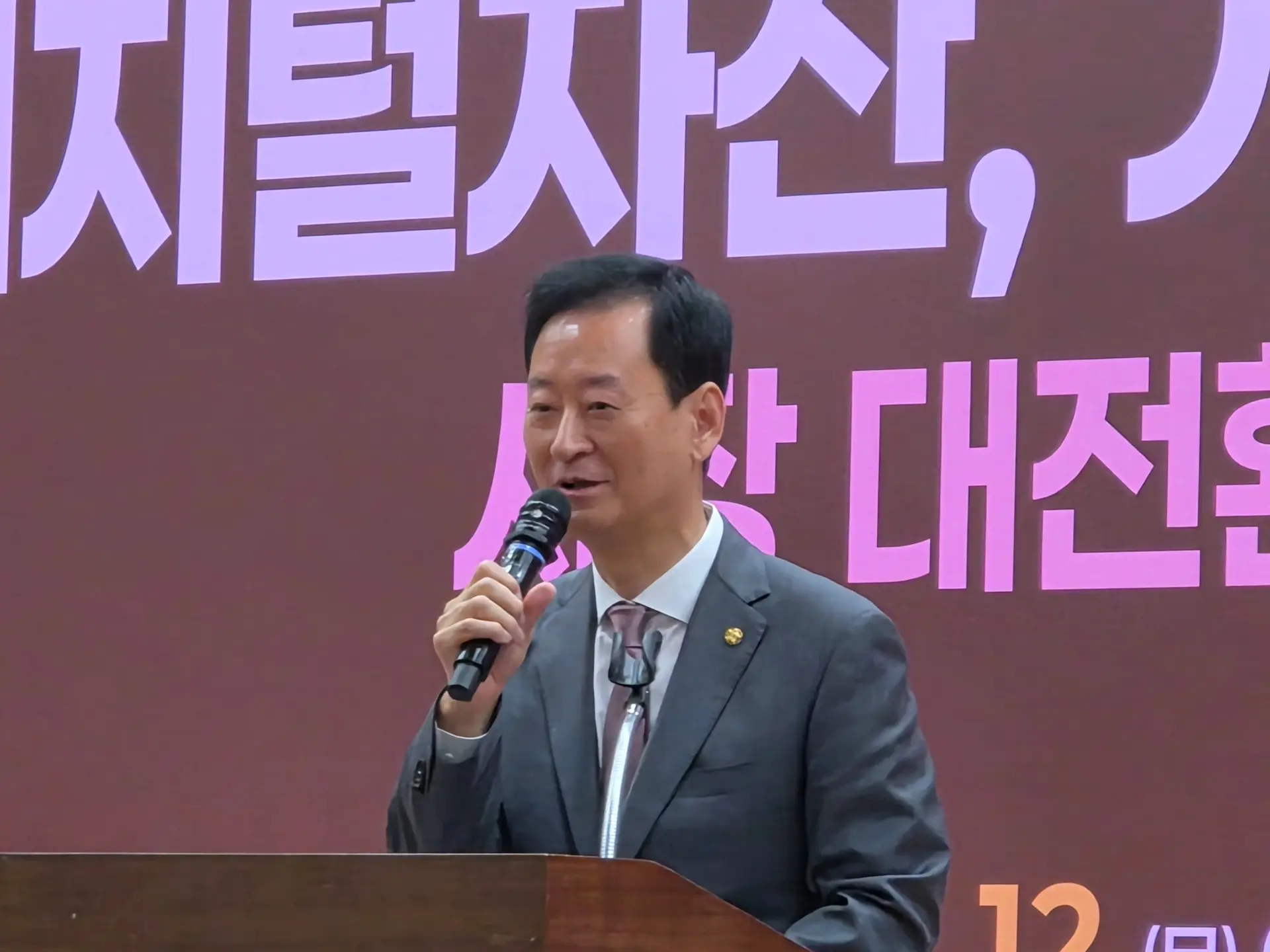
In opening remarks at a seminar titled "Digital Assets: The Institutional Era Arrives" held on Nov. 12 at the National Assembly Members' Office Building in Seoul's Yeouido district, Choi said the growing presence of institutions in the digital-asset market is "not simply a matter of a change in the investor base."
Rather, it is part of a broader reshaping of the financial industry's structure and competitive landscape as new technology and financial methods are combined with existing capital markets.
Choi said digital assets are moving beyond their role as a new investment vehicle and are driving change across the broader financial industry as they converge with traditional finance. As global financial institutions expand into areas such as asset tokenization, payments and custody, South Korea's financial industry and capital markets also need to respond.
He said the entry of institutional investors would mean more than an increase in market participants. It could also serve as an opportunity to combine new technology and financial methods with existing capital markets. As a result, policymakers should examine institutional changes from the perspective of the capital market's overall development, rather than focusing only on whether to permit individual products or services.
"What matters is not only introducing systems in step with the pace of change, but also establishing a consistent policy direction that can respond to a new financial order," Choi said. "We need to create an environment that can prepare for the future of the industry from a long-term perspective while taking into account the market's stage of development and global trends."
Topics at the seminar include conditions for opening the corporate market and drawing institutional capital, the trust infrastructure needed to support institutional participation, and the tasks facing South Korea's financial industry as global market trends shift. Choi said the domestic market needs to translate expert insight and industry experience into more concrete policy priorities.
He added that proposals presented at the seminar would be faithfully reflected in legislative and policy discussions and said he hopes the event will serve as a meaningful step toward the sound growth of South Korea's digital-asset market and a broader advance in the financial industry.
Suehyeon Lee