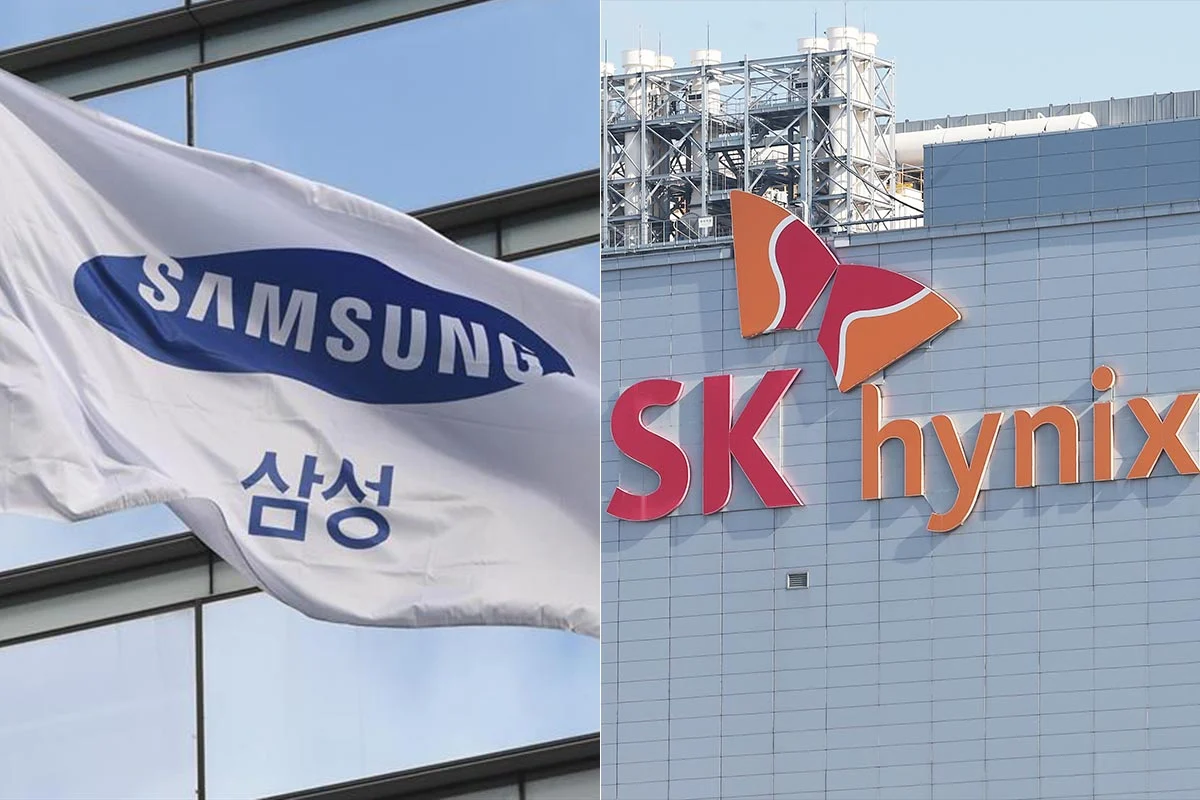
Park Hyun-soo, managing director at Samsung Global Research, said a won-denominated stablecoin could be added to Samsung Wallet once South Korea introduces one. Park spoke at a policy seminar in Seoul’s Yeouido district marking the publication of The Future of Money, the Stablecoin Revolution.
Samsung Wallet Already Holds USDC in The United States
Park pointed to the existing U.S. service as a potential model, noting that Samsung Wallet already supports dollar-denominated stablecoins in the United States. The company began rolling out USDC support in late October 2026, according to Samsung, with the feature available across 82 million compatible Galaxy devices.
The U.S. integration lets users hold USDC, transfer it to compatible crypto wallets, and send money to qualifying overseas bank accounts in more than 60 countries. Recipients receive local currency without needing a crypto wallet.
Bastion provides the infrastructure and serves as the licensed custodian, while Coinbase acts as a sub-custodian holding the USDC in Prime Vault. The service runs on Solana and Sui blockchains, with identity verification and biometric authentication required on registered devices.
Regulatory Framework is Still Forming in South Korea
South Korea does not yet have a licensed won-denominated stablecoin in circulation. The Bank of Korea has promoted bank-led stablecoin issuance as its preferred model, but disagreement over which institutions may issue stablecoins has slowed the proposed Digital Asset Basic Act.
The Financial Services Commission (FSC) has proposed rules allowing stocks, bonds, investment funds, and certain fractional products into a regulated tokenized securities market from February 4, 2027. Public consultation on those rules runs until November 11, and Park expects full-scale security token offering issuance to begin next year.
Separately, Eugene Investment & Securities and blockchain firm BEATOZ signed a memorandum of understanding (MOU) on September 21, 2026, to conduct a proof of concept for stablecoin-based tokenized securities subscription payments.
No testing timetable was disclosed. Kakao Pay and KakaoBank also signed a non-binding MOU with Fireblocks in September to explore stablecoin infrastructure, rather than formally launch a testing program. No commercial launch has been announced.
Park Flags Risks That Regulators Must Address First
Park cautioned that stablecoins should not be ruled out, saying, “I do not mean stablecoins should not be introduced… These issues need to be fully considered when building the system so that stablecoins can become a tool for sound financial innovation.”
He cited deposit migration away from banks as a primary concern, warning that non-interest-bearing stablecoins could weaken how central bank rate decisions pass through the financial system.
Network effects that concentrate activity among a few issuers or give large technology firms outsized influence were also flagged. Anti-money laundering and know-your-customer requirements could raise transaction costs for everyday users, Park added.
Samsung’s Installed Base Could Shape Stablecoin Adoption at Scale
Samsung Wallet’s installed base of 82 million compatible Galaxy devices gives the company a distribution channel that most stablecoin issuers lack. Future plans for the U.S. service may include stablecoin payments at online and physical stores, depending on local regulations.
Samsung Life Insurance and Samsung Card, alongside other card issuers and insurers across the industry, are internally reviewing ways to incorporate stablecoins into their payment systems, Park noted.
The combination of Samsung’s hardware reach, its existing U.S. stablecoin integration, and the regulatory timeline for tokenized securities could position the company as a key on-ramp for won-denominated stablecoins when the legal framework permits.