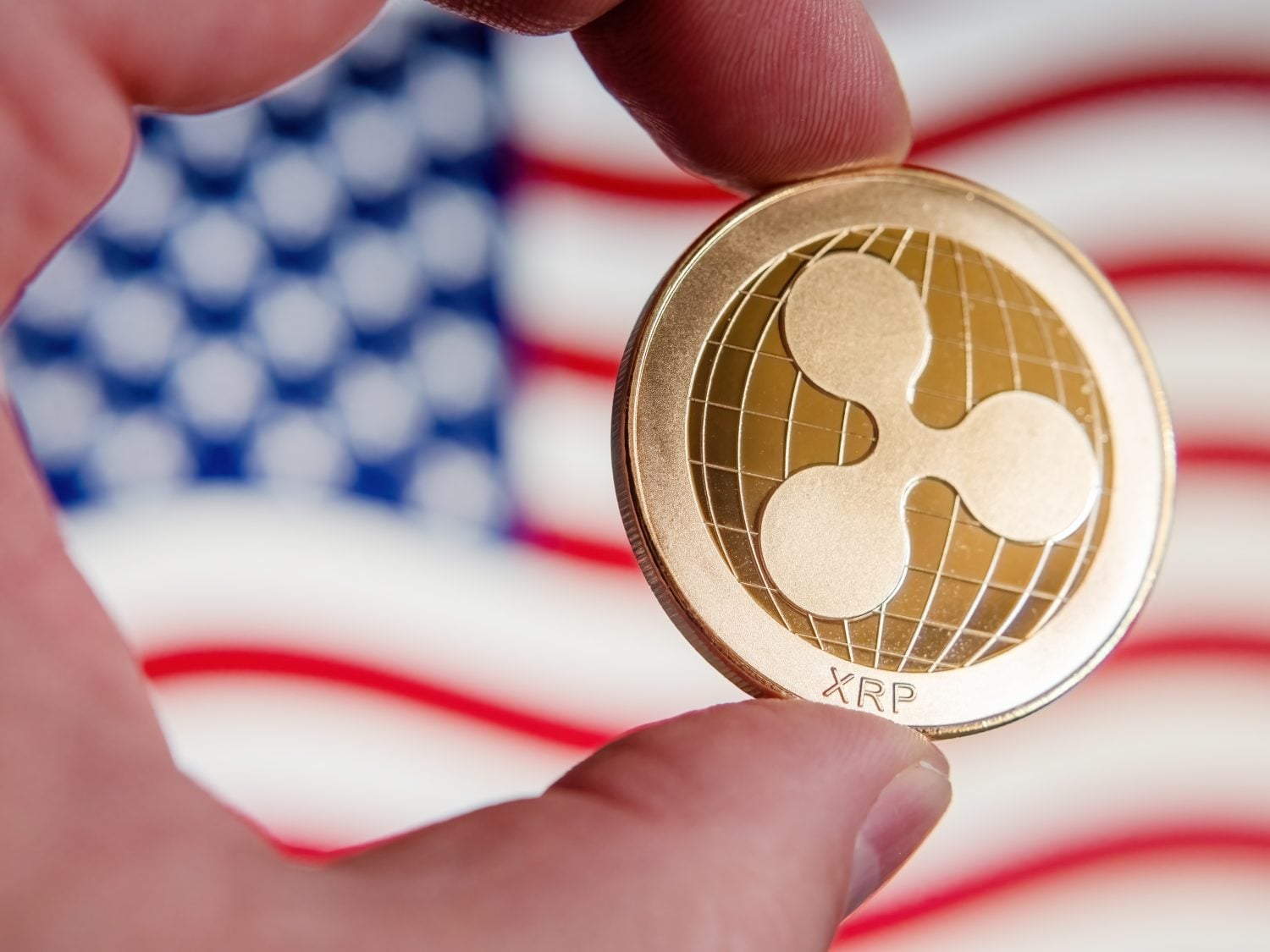
The total cryptocurrency market capitalization nearly doubled throughout 2024, surging past the three-trillion-dollar mark. Digital assets are now actively integrating into global financial infrastructure and consumer platforms. Regulated investment products are funneling unprecedented levels of institutional capital into the ecosystem, stabilizing liquidity pools, while tech-oriented consumers are increasingly utilizing cryptocurrencies as practical payment mechanisms. This dual momentum facilitates billions of dollars in daily volume, shifting the narrative from conceptual technology to applied utility.
The Rise of Crypto as a Practical Payment Rail
Blockchain networks have gained significant traction within the online entertainment sector as efficient payment rails. High-frequency digital environments require transaction speeds and fee structures that traditional banking systems often struggle to provide across international borders.
This dynamic is particularly visible within the online gaming industry, where operators leverage the speed of digital assets to facilitate seamless deposits and withdrawals. Bettors utilizing crypto sportsbooks in Canada consistently encounter environments where Bitcoin and Ethereum function primarily as frictionless funding mechanisms rather than speculative investments. Wagers are placed on standard sporting events using conventional odds structures, but the underlying capital moves via blockchain networks. The result is a streamlined user experience that reduces waiting times from several business days to a matter of minutes.
Know when your
coins move
Institutional Capital and Market Resilience
Using digital currencies for daily transactions depends heavily on the deep liquidity provided by institutional investors. Without significant capital reserves, asset volatility complicates practical commerce. Recent market momentum was largely driven by macroeconomic policy changes and the approval of regulated exchange-traded products in major financial hubs.
“With investors worldwide now having regulated ways to access spot bitcoin and other crypto exposures, the trend of institutional adoption is clearly underway.” — WisdomTree Europe
This influx of capital into spot crypto ETPs has fundamentally altered the market structure. Institutional participation dampens the extreme price swings that characterized earlier cycles, creating a more stable environment for retail users. Multi-billion-dollar asset managers bring rigorous compliance standards and advanced custody solutions that deepen order books. This liquidity ensures that consumer conversions for online purchases occur almost instantly and with minimal slippage. Furthermore, the presence of major financial institutions drives infrastructure improvements, ultimately lowering transaction costs.
Consumer Awareness and the Gaming Demographic
The actual pace of adoption is dictated by consumer willingness. Practical usage remains concentrated among tech-savvy individuals, particularly those engaged in digital entertainment and video games. These consumers are already accustomed to managing digital economies, virtual goods, and in-game currencies, making the conceptual leap to decentralized assets relatively small.
Across global markets, gamers own digital currency at significantly higher rates than the general population. This demographic is highly receptive to using digital money for online purchases, hardware upgrades, and digital subscriptions. They understand the mechanics of digital wallets, are familiar with cryptographic security, and appreciate the autonomy of self-custody. For these users, the traditional banking system often feels sluggish compared to the instant, borderless nature of the digital realms they inhabit.
However, broad consumer adoption still faces substantial hurdles. Even among knowledgeable users, concerns regarding market volatility, cybersecurity, and sophisticated scams persist. Mainstream integration requires user-friendly interfaces that abstract complex cryptography away from the end user while maintaining strict security protocols.
Managing Price Fluctuations and Macro Pressures
The utility of digital assets is intricately tied to broader economic forces. For a user holding a balance in Bitcoin or Ethereum, external market factors can materially alter their purchasing power within hours. Central bank interest rate decisions, inflation reports, and broader macroeconomic shifts ripple through the crypto markets, causing sudden price appreciations or sharp corrections.
When digital assets function as a funding mechanism, this volatility introduces a secondary layer of risk. A sudden market downturn can devalue a user’s wallet balance before they even initiate a transaction. To mitigate this, many consumer platforms immediately convert incoming cryptocurrency deposits into a stable fiat denomination, insulating the user from intraday price swings.
Because traditional equities and digital assets are often correlated, a shock in the stock market frequently triggers a corresponding reaction in the crypto space. Managing this dynamic requires a cautious approach to bankroll management and a clear distinction between utilizing a network for transaction speed and holding an asset for long-term appreciation.
The Future of Blockchain Integration and Risk Management
The convergence of institutional investment and consumer platforms marks a critical phase in the evolution of cryptocurrencies. As regulatory frameworks clarify and market liquidity deepens, the practical utility of decentralized networks continues to expand. The success of digital assets in sectors like online gaming demonstrates that when technology solves genuine friction points, consumer adoption follows naturally.
Ultimately, the ecosystem is shifting away from pure speculation toward functional utility. Digital assets offer an efficiency and autonomy that legacy systems struggle to match. However, the decentralized nature of these networks removes traditional banking safety nets. Users must prioritize personal security practices, carefully verify the platforms they engage with, and remain vigilant against market volatility.
Gambling involves significant financial risk and can lead to addiction. Bettors should always set strict limits, never wager funds they cannot afford to lose, and seek professional guidance if they suspect a developing problem.