TL;DR
- World Liberty Financial launched a WLFI buyback program funded by an allocation that may include fees earned from USD1 reserves and other sources.
- The project says buybacks aim to strengthen governance, increase long-term holder voting power and become an ongoing strategy guided by ecosystem growth.
- World Liberty disclosed no allocation size, token target or schedule, and the announcement does not specify whether repurchased WLFI will be burned, held or redistributed.
World Liberty Financial has launched a new buyback program for its WLFI governance token, with an initial allocation that may include fees earned from reserves backing USD1 and other funding sources. In an official announcement, the project linked the initiative to growth in its stablecoin ecosystem. The program uses potential income associated with USD1 reserves, not the reserve principal itself, an important distinction for understanding how stablecoins remain backed while related economics can support other ecosystem initiatives.
The success of $USD1 and the growing WLFI ecosystem is helping us launch a new $WLFI token buyback program to strengthen the WLFI ecosystem and governance.
We plan to fund buybacks with an initial allocation that may include fees earned from USD1 reserves and other sources.…
— WLFI (@worldlibertyfi) November 6, 2026
World Liberty Ties WLFI Buybacks to Governance
World Liberty said the buybacks are intended to strengthen the WLFI ecosystem and encourage more active participation in governance. The project also wants voting power to become more concentrated among committed long-term holders rather than short-term participants. The stated objective is therefore governance reinforcement as much as token-market support, building on World Liberty’s broader USD1 growth strategy and its efforts to connect stablecoin adoption with WLFI participation across the ecosystem.
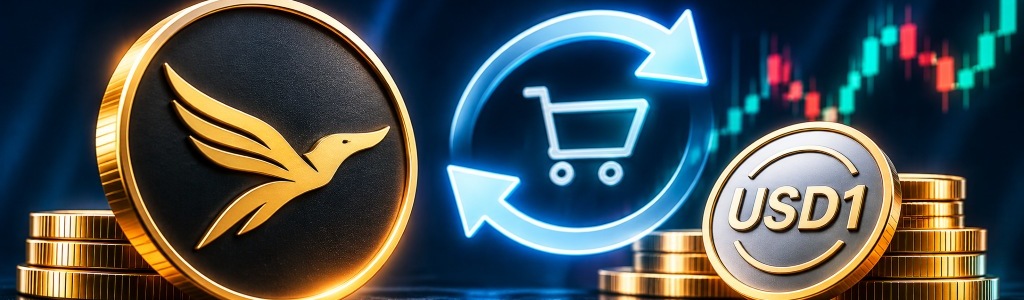
The company did not disclose the size of the initial allocation, how many WLFI tokens it intends to purchase, or a fixed execution schedule. It said the first phase will be evaluated before future scale is determined, with the pace of buybacks guided by ecosystem growth and their effect on governance participation. The announcement establishes an ongoing strategy but leaves its financial scale and market impact undefined, complementing earlier WLFI governance incentives focused on rewarding longer-term participation.
WLFI remains under significant market pressure. The reference data placed the token near $0.047, little changed over 24 hours, down roughly 8% over seven days, 12% over two weeks and more than 14% over 30 days. It was over 60% lower year over year and about 85% below its September 2025 peak. A buyback can create demand for WLFI, but the announcement alone does not establish that it will reverse the token’s decline, despite comparisons with earlier buyback-and-burn proposals.
The initiative differs from a token burn. World Liberty announced purchases of WLFI but did not specify whether repurchased tokens will be permanently removed from circulation, retained in treasury, locked or redistributed. Each treatment has different implications for circulating supply and governance. The confirmed mechanism is a buyback program, not a disclosed permanent burn, while USD1-related fees link the plan to the project’s stablecoin infrastructure and leave future execution dependent on parameters World Liberty publishes publicly next.